

The BEST fall activities for kids in a classroom setting include arts & crafts, fall science, STEM activities, literacy, and math ideas kids will love!

Fall is one of the richest seasons for learning in the elementary classroom. As students settle into the school year, the changing leaves, cooler weather, apples, pumpkins, and other seasonal traditions create natural opportunities to connect learning to the world around them.
A strong fall theme can spark curiosity and conversation while giving students meaningful opportunities to build vocabulary, explore science concepts, practice math skills, strengthen writing, and work together as a classroom community. Seasonal learning also gives you a chance to bring a little extra excitement into your lessons without sacrificing the skills and standards your students need to practice.
In this guide, you’ll find fall activities and ideas you can use across the curriculum, from literacy and writing to math and science, along with hands-on activities that encourage creativity, exploration, and classroom connection. Whether you’re planning a full fall-themed week or looking for a few seasonal activities to add to your lesson plans, plenty of ideas can make learning feel timely, engaging, and fun.

Why Teach Fall Themes?
Seasonal themes give students a natural reason to be curious, ask questions, and connect what they’re learning to the world around them. Fall offers especially many opportunities for hands-on learning, from observing changes in the weather and trees to exploring apples, pumpkins, and other signs of the season.
Fall-themed lessons can also help students build vocabulary through meaningful conversations and experiences, make real-world connections, and practice skills in ways that feel relevant and engaging. Even simple activities, like taking a nature walk to observe changing leaves or comparing pumpkin sizes, can turn everyday fall experiences into learning opportunities.
Just as importantly, shared seasonal activities can help build classroom community. Exploring a theme together gives students opportunities to talk, wonder, create, and learn alongside one another.

How to Plan a Fall Unit
You don’t have to teach one big fall unit all at once. Instead, let your classroom themes change with the season, giving you fresh opportunities to connect your lessons to what students notice and experience around them.
September: Apples, New Beginnings, and Classroom Community
September is a great time to ease into fall with apples and beginning-of-the-season themes. Apple activities can support math, science, vocabulary, and writing while giving students something familiar and hands-on to explore. You can also connect fall learning to back-to-school topics, classroom routines, and activities that help students get to know one another and build a strong classroom community.
October: Pumpkins, Leaves, and Harvest
By October, fall is in full swing, making pumpkins, changing leaves, and harvest themes natural additions to your lessons. Students can observe seasonal changes, investigate pumpkins, compare and measure objects, write about fall experiences, and explore new vocabulary. If Halloween is part of your classroom plans, you can also incorporate it into appropriate literacy, math, or creative activities.
November: Thankfulness, Kindness, and Reflection
November offers opportunities to shift toward thankfulness, kindness, and reflection while continuing to explore changes happening in the natural world. Students can observe changing weather and trees, write about things they appreciate, explore Thanksgiving traditions, and participate in activities that encourage kindness and connection with others.

As you plan your fall lessons, think about the skills you already need to teach and look for ways to weave seasonal topics into that learning. The activities below are organized to help you do just that, with ideas you can use across subjects and throughout the fall season.
Fall Arts & Crafts
Fall is a wonderful time to bring more arts and crafts into the classroom. Cutting, gluing, painting, drawing, and working with different textures give students opportunities to strengthen fine motor skills while also making choices, following directions, experimenting with materials, and expressing their creativity.
You don’t need every project to look the same, either. Some fall art activities can have a finished product that makes a great classroom display, while others can focus more on exploring color, texture, shape, and materials.
Fall Directed Drawing
Directed drawing activities are a great way to combine art with listening and following directions. Students practice paying attention to each step while building confidence in their drawing skills.
Try this turkey directed drawing activity for a fun fall project. After students finish their drawings, have them add color and display their work together. You can also extend the activity into writing by asking students to describe their turkey or write a short story about it.

You can also adapt directed drawing for different ages and skill levels. Younger students might focus on following the steps and adding details, while older students can use the finished drawing as a starting point for descriptive or narrative writing.
Process Art With Fall Materials
Fall is full of interesting colors and textures, making it a natural fit for process art. Instead of focusing only on creating a specific finished product, give students materials and techniques to explore.
For example, this salt and watercolor fall leaf activity lets students experiment with glue, salt, and watercolor paint to create unique leaf designs. No two projects will look exactly alike, which makes them especially fun to display.
You can also experiment with everyday classroom materials. A simple toilet paper roll becomes a stamp in this fall leaf stamping project, giving students an opportunity to explore how different shapes and textures can create a larger picture.
Fall Trees and Nature-Inspired Art
Leaves and trees provide endless inspiration for classroom art. Students can create their own fall trees using different materials, colors, and techniques.
This tissue paper fall tree craft is a great way for students to practice tearing, pinching, and gluing small pieces of tissue paper. Those small movements also give students additional fine motor practice as they work.
For another seasonal project, try a popsicle stick scarecrow as part of a fall farm theme. Students can follow a model or choose their own scarecrow details.
Art Inspired by Fall Animals
Fall is also a great opportunity to connect art with nonfiction learning. Read an informational book about bats, for example, then invite students to create their own watercolor bat artwork. This bat watercolor art activity naturally combines science, reading, and art.
Students can first learn a few facts about bats and then use those ideas to inspire their artwork or writing.
Cultural Art and Fall Celebrations
Seasonal art can also introduce students to cultural traditions and celebrations. If your curriculum includes learning about Día de los Muertos, pair a sugar skull directed drawing activity with age-appropriate learning about the holiday and its cultural significance.
When you incorporate cultural celebrations into your classroom, give students background on the tradition and its meaning so the art activity connects to authentic learning rather than being treated as a craft.
Create a Fall Classroom Display
Fall artwork doesn’t have to stay in students’ folders. Create a dedicated display where students can see their work throughout the season. Display individual pieces together to create a larger classroom installation, or rotate artwork as students complete new projects.
You can also invite students to add a sentence, poem, or reflection alongside their artwork. This turns a colorful display into an opportunity to celebrate both creativity and learning.
Most importantly, give students room to make choices and put their own spin on their work. Fall art is a chance to practice fine motor skills and follow directions, but it’s also a chance for students to experiment, create, and feel proud of something they made themselves.
Fall Science & STEM Activities
Autumn offers many opportunities for students to observe, investigate, ask questions, and connect with the natural world. Instead of simply talking about seasonal changes, give students opportunities to explore them firsthand. Pumpkins, apples, leaves, trees, weather, and changing temperatures can all serve as starting points for meaningful science and STEM learning.
Explore Pumpkins
Pumpkins are an excellent fall science topic because students can observe and investigate them using all of their senses. Before cutting one open, invite students to examine the outside and make observations. What color is it? What shape is it? Does it feel smooth or bumpy? What do they predict is inside?
After opening the pumpkin, have students compare their predictions with what they discover. Count the seeds, examine the parts of the pumpkin, and record observations. Extend the investigation by measuring pumpkins, comparing their sizes, or testing whether different pumpkins sink or float.

For a more complete exploration, the Fall Science & Nonfiction Unit combines science, reading, writing, and hands-on learning around pumpkins, apples, leaves, and other seasonal topics.
Investigate Apples
Apples are another simple way to bring inquiry-based science into the classroom. Begin by letting students observe and describe different types of apples. Compare their colors, sizes, textures, smells, and tastes.
Then turn those observations into questions students can investigate. Which apple will float? Which one has more seeds? Does the inside look different depending on the variety? What happens when you cut an apple open and leave it exposed to air?

This free apple resource includes hands-on science and sensory exploration ideas that can help you turn apples into a mini inquiry unit.
Study Leaves and Trees
Changing leaves give students a chance to observe science happening right outside the classroom. Take students outdoors to collect or examine fallen leaves and encourage them to look closely at their shapes, colors, sizes, textures, and patterns.
Have students sort leaves by different characteristics and record what they notice. You can also introduce basic tree vocabulary and discuss why trees lose their leaves and how leaves change throughout the season.
Pair your investigation with a book about leaves to build background knowledge before or after an outdoor observation activity.
For an experiment that digs a little deeper into why leaves change color, try this leaf science experiment, which explores chlorophyll and the colors hidden in leaves.
Explore Life Cycles
Fall is also a great time to introduce or review life cycles. Use pumpkins as a familiar example and help students think about how a pumpkin grows from a seed into a mature plant.
Students can sequence the stages of the pumpkin life cycle, draw and label each stage, and explain what happens along the way. These hands-on pumpkin life cycle activities provide additional ways to explore the concept.

You can extend life cycle learning beyond pumpkins by comparing the life cycles of other plants or animals and discussing how living things change as they grow.
Observe Fall Weather
The shift from summer to fall gives students a chance to become weather observers. Keep a simple class weather chart and have students record the temperature, precipitation, cloud cover, or other observable conditions each day.
After collecting data for several days or weeks, ask students what patterns they notice. Is the temperature changing? Are some types of weather more common than others? How does the weather affect what people wear or what they do outside?
These simple observations can connect science to data collection, graphing, vocabulary, and math while helping students recognize that science is something they can practice every day.
Conduct Fall Investigations
The best fall science activities don’t have to start with an answer. Start with a question instead.
Ask students what they think will happen, have them predict, conduct an investigation, and then record what they observe. Depending on your students’ age, they might draw their observations, complete a simple chart, write a few sentences, or explain their findings to a partner.
Some questions to investigate include:
- Which type of leaf will decompose the fastest?
- Do all leaves change color in the same way?
- Which apple will float?
- How many seeds are inside different apples?
- Which pumpkin is the heaviest?
- What happens to a leaf when you place it in water?
- Does the amount of sunlight affect a leaf’s color?
The goal is to help students see themselves as scientists who observe, wonder, predict, test, and communicate what they discover.
Fall STEM Challenges
Fall themes can also inspire simple engineering challenges. Give students a problem to solve and a limited set of materials, then let them brainstorm, build, test, and improve their ideas.
Try challenges such as:
- Build a pumpkin stand: Can students design a structure that keeps a small pumpkin or ball from rolling away?
- Apple transportation: How can students move an apple from one location to another without touching it directly?
- Leaf shelter: Can students design a small shelter that protects a leaf from wind or water?
- Pumpkin launcher: Can students design a safe device that moves a lightweight object the farthest?
- Harvest basket: Can students build a container that holds the most small objects without collapsing?
STEM challenges don’t need complicated materials. Cups, craft sticks, paper, tape, cardboard, string, and other basic classroom supplies can give students plenty to work with.
Bring Science Into the Sensory Experience
Some of the best fall investigations begin with simply giving students something interesting to explore. A corn and popcorn sensory bin, for example, can become an opportunity to compare materials, make observations, and practice measurement. Try this corn and popcorn science activity to explore how the two materials compare.
You can also incorporate seasonal sensory experiences into science centers. Give students leaves to examine with magnifying glasses, pumpkin seeds to sort and count, apples to observe, or natural materials to classify by their properties.
Fall science doesn’t have to be limited to a single experiment or special lesson. When you use the season as a starting point for observation and inquiry, everyday changes around your students become opportunities to ask questions, gather evidence, and learn something new.
Fall Literacy Activities
Fall themes provide plenty of natural opportunities to build literacy skills. Seasonal books, conversations, writing activities, and word work can help students strengthen foundational skills while giving them topics they’re excited to talk and write about.
Fall Read-Alouds and Reading Comprehension
Start with a strong fall read-aloud and use it as a springboard for conversation and comprehension. Books about changing leaves, apples, pumpkins, harvest, thankfulness, and other seasonal topics give students opportunities to predict, ask questions, retell events, identify key details, and connect to their own experiences.

Use these children’s books about autumn to find seasonal read-alouds and ideas for extending the learning beyond the story.
Fall is also a great time to introduce books that connect to cultural celebrations and experiences. For example, you can use these book suggestions for Hispanic Heritage Month to bring additional perspectives and experiences into your classroom library and read-alouds.
Phonics and Word Work
Seasonal themes can make phonics practice feel a little more hands-on. Give students opportunities to sort, build, read, and write words while practicing the specific skills you’re already teaching.
For beginning readers, this CVC word-building apple tree activity provides a fun way to practice building CVC words. You can also use a fall letter sorting tree to help students practice recognizing and sorting uppercase and lowercase letters.
Pumpkins can also support your letter-recognition practice. Have students identify a letter and cover the matching letter on the pumpkin, turning a simple review activity into a seasonal literacy center.
Vocabulary and Independent Reading
Fall is full of words students can explore: autumn, harvest, changing, crisp, chilly, acorn, pumpkin, and scarecrow, just to name a few. Introduce seasonal vocabulary through read-alouds, classroom discussions, word walls, and writing activities, then encourage students to use their new words throughout the day.
Set aside time for independent reading. Add seasonal books to your classroom library or create a small fall-themed basket where students can choose books that interest them. This keeps the seasonal theme present without taking away from regular reading practice.

Literacy Centers and Writing
Fall-themed literacy centers can give students additional practice with the skills they’re working on in whole-group lessons. Try activities that involve letter recognition, word building, vocabulary, sentence writing, reading comprehension, or responding to a seasonal text.
You can also use fall themes as an easy entry point for writing. Students might write about a favorite fall activity, describe changes they notice outside, create a story about an apple or pumpkin, or respond to a read-aloud.
For a seasonal writing craft, try this Dove Peace Foldable Writing Craft to talk about peace and kindness while practicing writing.
Poetry is another simple way to bring fall into your literacy block. Read seasonal poems together, look for descriptive words and patterns, and invite students to write their own short fall poems using sensory details and new vocabulary.
You can also use familiar stories to connect reading and writing to classroom themes. These connections can support conversations about thankfulness, sharing, and community while giving students an opportunity to respond to a shared text.
The goal isn’t to make every literacy activity fall-themed. Instead, use the season as a meaningful context for practicing the reading, writing, phonics, vocabulary, and comprehension skills your students are already learning.
Fall Writing Activities
Fall gives students so many interesting things to observe, discuss, and write about. Use the changing season as a starting point for different types of writing, from imaginative stories to opinion pieces and simple observations about the world around them.
Narrative Writing
Invite students to use their imaginations with fall-inspired stories. They could write about a pumpkin that comes to life, an adventure through a pile of leaves, a day at an apple orchard, or a character who discovers something unexpected on a fall day.
Give students a simple story structure to help them organize their ideas: beginning, middle, and end. Younger writers can draw each part of their story before adding a sentence or two.

Opinion Writing
Fall topics are perfect for getting students to share and support their opinions. Try prompts such as:
- Which is better: apples or pumpkins? Why?
- What is the best fall activity?
- Should students be allowed to play in the leaves at school?
- Which fall book is your favorite?
- Would you rather visit a pumpkin patch or an apple orchard?
Encourage students to state their opinion and give at least one reason to support it. You can use fall Writing Prompt Mats to give students a little more structure as they practice.
Informational and Descriptive Writing
Use students’ natural curiosity about the season to support informational writing. After reading a nonfiction book or completing a hands-on activity, have students write about how pumpkins grow, why leaves change color, what happens to animals in the fall, or how the weather changes as summer ends.
Descriptive writing can focus on what students see, hear, smell, feel, and even taste during fall. Take a short outdoor observation walk and have students record sensory details they can use in their writing.
Gratitude Writing
November is a natural time to practice gratitude and reflect on the people, experiences, and things students appreciate. Have students write about something they are thankful for, someone who has helped them, or a favorite memory they’ve made with their family or classmates.
For younger students, combine drawing with a simple sentence frame such as, “I am thankful for ___ because ___.”
Fall Journals and Writing Centers
A fall journal can give students a consistent place to practice writing throughout the season. Add a new prompt each week or let students choose from several seasonal topics. Prompts can include:
- What is your favorite thing about fall?
- What do you notice changing outside?
- Describe the perfect fall day.
- What would you do if you found a giant pumpkin?
- Write about a time you helped someone.
- What would you bring to a fall picnic?
You can also turn these prompts into a fall writing center where students choose a topic, plan their response, and write a short piece. A Writing Center with seasonal materials can be especially useful during literacy rotations and independent work time.
Directed Drawing + Writing
Pairing directed drawing with writing is another great way to help students get their ideas onto paper. Students can follow simple steps to draw a pumpkin, apple, scarecrow, leaf, or other fall-themed picture, then write a few sentences about their drawing.
This works especially well for beginning writers because the drawing gives them something concrete to write about. Try a Directed Drawing activity followed by a sentence, descriptive paragraph, or short story depending on your students’ writing level.
Fall writing doesn’t have to mean creating an entirely separate writing curriculum. Instead, use the season as a familiar and engaging context for practicing the writing skills you’re already teaching.

Fall Math Activities
Fall themes can make math practice feel more hands-on and connected to the world around students. Apples, pumpkins, leaves, acorns, and other seasonal objects can become manipulatives for counting, sorting, comparing, measuring, and solving problems.
Counting and Number Sense
Use fall objects to give students plenty of opportunities to practice counting and representing numbers. Students can count collections of leaves, apples, acorns, or other classroom objects, then show the same number in different ways using pictures, tally marks, ten frames, equations, or place-value representations.
For additional number sense practice, try these number sense turkey math activities. Students can use the turkeys to review different ways to represent numbers while adding a fun fall theme to their math practice.
Addition and Subtraction
Fall manipulatives can also make addition and subtraction more concrete. Give students small collections of seasonal objects and have them combine, separate, or compare groups. For example, you might ask, “There are 6 apples in the basket. If we add 3 more, how many are there?” Students can model the problem with manipulatives before recording an equation.
For independent practice or math centers, these fall math worksheets provide additional opportunities to practice counting and basic addition.
Graphing and Data
Fall is an easy time to collect data from your students. Have them vote on their favorite fall activity, favorite apple variety, or whether they prefer apples or pumpkins. Record the results in a class graph and discuss what students notice.
Apple trees, apples, and Johnny Appleseed can also be used as the basis for glyphs and graphing activities. Ask students to represent information visually, then practice answering questions about the data, such as which category has the most, least, or the same number of responses.
Patterns, Sorting, and Classification
Collect fall-themed objects such as leaves, acorns, or artificial pumpkins and let students sort them by attributes such as size, color, shape, or type. After students practice sorting, challenge them to create and extend patterns.
Start with simple AB patterns and move toward more complex patterns as students are ready. Seasonal manipulatives make this practice more tactile and give students something concrete to examine and organize.
Measurement
Fall objects provide plenty of opportunities for informal and standard measurement practice. Students can compare pumpkin heights, measure leaves, estimate the length of a pumpkin stem, or order objects from shortest to longest.
For younger students, start with comparisons such as longer/shorter, heavier/lighter, and more/less. Older students can use rulers, scales, or other measurement tools and record their results.
Fall Math Centers and Games
Set up short fall-themed math centers so students can practice skills independently or with a partner. Centers might include counting collections, number matching, pattern building, measurement challenges, graphing activities, or simple math games.
Hands-on games are especially useful for giving students repeated practice without making it feel like another worksheet. Use dice, cards, spinners, counters, and seasonal manipulatives to create quick games that target the specific skills your students need to practice.
For a simple snack-time math activity, try this fall roll-and-eat snack mat. Students can practice counting and basic addition while working with a small snack. For classrooms with nut allergies, use a nut-free option such as raisins or another appropriate small treat.
Fall Math Problem Solving
Don’t forget to build problem-solving into your fall math activities. Create short story problems using familiar seasonal situations: apples being added to a basket, pumpkins being sorted into groups, leaves collected on a nature walk, or students choosing between different fall activities.
Encourage students to show how they solved each problem with a drawing, manipulatives, an equation, or words. The goal is to help students explain their mathematical thinking, not just find an answer.
When planning fall math, look for opportunities to use the theme as a context for practicing the skills students are already learning. A seasonal setting can make familiar math concepts feel fresh while still keeping the focus on meaningful mathematical thinking.
Fall Social-Emotional Learning Activities
Fall themes can also create meaningful opportunities to build social-emotional skills. As students continue getting to know one another and settle into classroom routines, use seasonal activities to practice kindness, empathy, friendship, gratitude, and respect.
Practice Gratitude
November is a natural time to talk about gratitude, but you don’t have to wait until Thanksgiving. Invite students to notice the people, experiences, and everyday moments that make them feel thankful.
Create a class gratitude display where students add something they appreciate, or start a short gratitude calendar where they write or draw one thing they are thankful for each day.

Build Kindness and Empathy
Use fall stories, classroom discussions, and everyday situations to talk about what kindness looks and sounds like. Ask questions such as:
- How can we make someone feel welcome?
- What could you do if a friend is having a hard day?
- How can we show respect when someone has a different idea?
- What does it mean to be a good friend?
You can also challenge students to complete small acts of kindness throughout the week and then reflect on how those actions affected others.
Explore Feelings and Emotions
Seasonal transitions can give students opportunities to talk about their emotions. Some students may feel excited about fall activities, while others may feel nervous about routine changes or upcoming events.
Use fall-themed books, morning meeting conversations, or simple emotion cards to help students identify and name their feelings. Encourage them to talk about what they are feeling and practice appropriate ways to manage those emotions.
Strengthen Classroom Community
Shared experiences are one of the easiest ways to build classroom community. Give students opportunities to work together on a fall art display, complete a STEM challenge, share a favorite fall book, or participate in a class gratitude activity.
These small moments help students practice listening, taking turns, encouraging others, and working toward a shared goal.
For more ideas, explore these social-emotional learning activities to find additional ways to bring SEL skills into your classroom throughout the year.
Fall doesn’t have to mean adding another separate SEL curriculum to your day. Instead, look for opportunities within the activities you’re already planning to help students practice kindness, empathy, friendship, respect, and emotional awareness.
Fall Read-Aloud Books
A good read-aloud can become the starting point for an entire fall learning experience. Choose books that connect to the seasonal topics you’re already exploring, then use them to spark conversations, introduce vocabulary, build background knowledge, or launch a writing or science activity.
Rather than choosing books only because they have a fall cover, look for stories that give students something to notice, wonder about, discuss, or connect to their own experiences.
Apple Books
Apple-themed books pair naturally with September learning. Use them to introduce apple vocabulary, compare different types of apples, or inspire writing and science investigations. After reading, students can describe an apple, sequence events, make predictions, or investigate a question inspired by the story.
Explore these apple books and activities to find read-aloud ideas that pair well with an apple-themed unit.

Pumpkin Books
Pumpkins offer plenty of opportunities to connect literacy with science and math. A pumpkin read-aloud can lead into discussions about the pumpkin life cycle, parts of a pumpkin, measurement, counting seeds, or creative writing.
Look for pumpkin books and activities you can extend into hands-on learning.
Leaf and Tree Books
Books about leaves and trees are especially useful when students are observing seasonal changes outdoors. Read a story or nonfiction book before heading outside, then ask students to look for evidence of the changes they discussed.
These books about leaves can introduce the topic and offer ideas for extending learning with classroom activities.
Harvest Books
Harvest-themed books can open conversations about farms, food, seasonal changes, community, and where our food comes from. They can also provide a natural starting point for informational writing, vocabulary work, and classroom discussions.
Choose a harvest story to pair with a fall farm- or food-related activity, and encourage students to connect the book to their own experiences.
Thanksgiving Books
Thanksgiving read-alouds can support conversations about gratitude, family, kindness, sharing, and community. They can also provide opportunities to discuss how different families and communities celebrate or observe the season.
Use Thanksgiving books as a springboard for gratitude writing, class discussions, or kindness activities rather than limiting the conversation to the holiday itself.
A strong fall read-aloud doesn’t have to stand alone. Use the story as the first step in a larger learning experience, then let students read, talk, write, investigate, and create based on what they’ve discovered.
Fall Classroom Ideas
Not every fall activity needs to be a full lesson. Sometimes small seasonal touches throughout the school day make the classroom feel special. Add fall to your morning meeting, centers, transitions, displays, and independent activities to create a seasonal atmosphere without changing your entire schedule.
Fall Bulletin Boards and Displays
Use student work to create seasonal bulletin boards rather than decorating everything yourself. Display fall writing alongside artwork, science observations, graphs, or other projects students have completed.
A display might feature changing leaves, a pumpkin investigation, a class gratitude tree, or students’ favorite fall books. When students see their work become part of the classroom environment, the display celebrates their learning.
Seasonal Centers
Fall themes work especially well in learning centers because you can change the materials while keeping the skills consistent. Add seasonal objects or visuals to literacy, math, science, and writing centers. Use digital slides to welcome in the cooler weather and help students stay on task from the moment they walk into the room.

Try a pumpkin-themed counting center, an apple word-building activity, a leaf sorting investigation, or a fall writing station. Students get a fresh context for practicing familiar skills without requiring an entirely new center routine.
Morning Meeting
Bring fall into your morning meeting with quick questions and conversation starters. Ask students what changes they’ve noticed outside, what they enjoy about fall, or how they can show kindness to someone that day.
You can also use a fall read-aloud, seasonal song, or class observation as a short morning meeting activity.
Sensory Bins and Fine Motor Tubs
Sensory bins offer hands-on exploration while supporting fine motor development. Fill a bin with materials such as dried corn, large leaves, pinecones, craft pumpkins, or other age-appropriate seasonal items.
Add scoops, tongs, cups, tweezers, or other tools and let students sort, transfer, count, or investigate the materials. Always choose materials that are appropriate for your students and classroom setting.
Fine motor tubs can use the same seasonal theme with activities such as transferring small objects with tweezers, threading fall-colored beads, forming letters with play dough, or using clothespins to pick up and sort items.
Fall Transitions
Even transitions can get a seasonal twist. Instead of simply calling students to line up, give them a quick fall-themed prompt or movement activity.
Ask students to name a fall word before lining up, pretend to move like a falling leaf, or answer a simple math question as they transition to the next activity. These little moments can reinforce learning without adding another lesson to the schedule.
Add Fall Without Overhauling Your Classroom
You don’t need to turn every part of your classroom into a fall activity. A few seasonal books, a changing display, some fall-themed center materials, and occasional seasonal questions can be enough to make the classroom feel connected to the time of year.
The goal is to use fall as a backdrop for meaningful learning, creativity, and connection while keeping your existing classroom routines and instructional goals at the center.
Free Fall Resources
Add a few simple, seasonal freebies to your fall plans without much prep. Use these activities on their own or pair them with your fall read-alouds, writing lessons, science activities, and classroom routines.
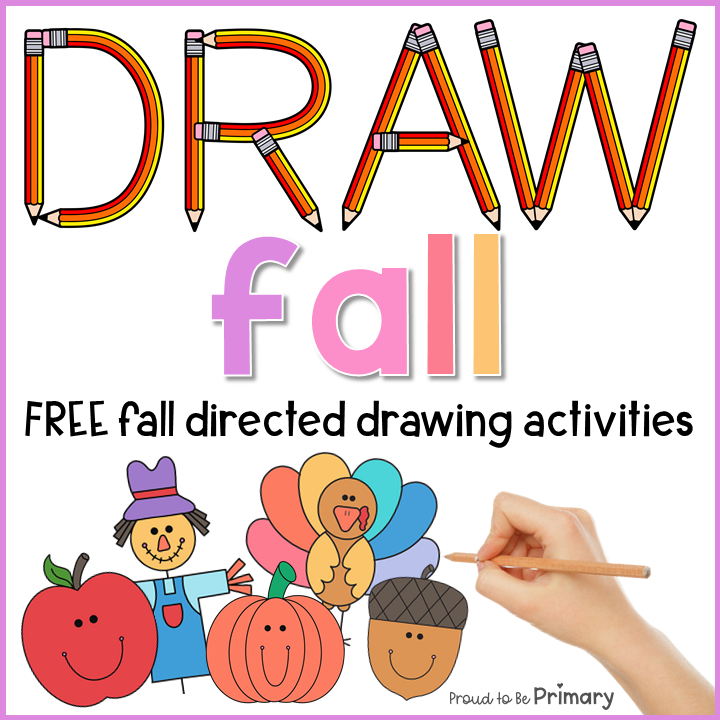
Fall Directed Drawing
Give students a chance to slow down and practice following step-by-step directions with this free fall directed drawing activity. Once their drawings are finished, have students add details, color their work, or use their pictures as a starting point for a fall writing activity.
Fall Gratitude Calendar
A gratitude calendar is a simple way to bring thankfulness into your classroom throughout the month. Have students contribute something they are grateful for each day, then add their responses to the class calendar. It’s an easy morning meeting or classroom community activity that encourages students to notice and share the good things around them.
Pumpkin Life Cycle Craft
Turn science learning into a hands-on craft with a pumpkin life cycle paper plate activity. Students can create each stage of the pumpkin life cycle while talking about how a pumpkin grows and changes. Pair it with a pumpkin read-aloud or a lesson about plant life cycles for an easy fall science connection.
Explore these free fall resources and add a few seasonal activities to your plans this fall!
Featured Fall Resources
If you’re planning a fall unit and want ready-to-use activities to support your lessons, these Proud to Be Primary resources can help you bring seasonal learning into different areas of your day.
Fall Science & Non-Fiction Unit
Use the Fall Science & Non-Fiction Unit when you want to combine science, reading, and writing. Students explore pumpkins, apples, and leaves while building informational text skills, reading comprehension, vocabulary, and writing skills.

Fall Directed Drawing Mats
Add fall directed drawing activities when you need a creative activity that also gives students practice with listening and following directions. Finished drawings can easily become a starting point for descriptive writing, display pieces, or a simple end-of-lesson activity.

Seasonal Writing Activities & Word Work
Use seasonal writing activities when you want to give students a meaningful reason to practice writing. Fall-themed prompts can support narrative, opinion, informational, and descriptive writing while keeping writing connected to what students are learning and experiencing.

Mindful Math Resources for Fall
Bring fall themes into your math block with October Math Mats when you want students to practice important math skills through engaging, structured activities. Seasonal math activities can give students extra practice with concepts such as number sense, computation, measurement, and problem-solving.

SEL Resources
Fall is also a great time to build classroom community, practice gratitude, and talk about kindness and emotions. SEL resources can support these conversations and give students opportunities to practice social-emotional skills throughout the school day.

You don’t need to use all of these resources in one unit. Choose the ones that fit the skills you’re teaching and use them to add a seasonal connection to your existing fall plans.
Frequently Asked Questions About Fall Activities
What should I teach during a fall unit?
A fall unit can include seasonal topics such as apples, pumpkins, leaves, trees, harvest, weather, and Thanksgiving. Use these themes to reinforce the skills you’re already teaching in literacy, math, science, writing, and social-emotional learning.
How long should a fall theme last?
A fall theme can last anywhere from a few days to several weeks, depending on your schedule and curriculum. Instead of trying to fit everything into one unit, consider shifting your focus throughout September, October, and November as the season changes.
What are the best fall activities for Kindergarten?
Kindergarten students benefit from hands-on fall activities that involve movement, exploration, and plenty of opportunities to talk. Try apple and pumpkin investigations, leaf sorting, counting and math games, fall crafts, sensory activities, read-alouds, and simple writing or drawing activities.
Should I teach apples before pumpkins?
You can teach these themes in whichever order works best for your classroom. Apples are a natural fit for early fall and can connect to back-to-school learning, while pumpkins work well later in September and October. Following the seasonal progression can help keep your themes connected to what students are seeing around them.
How can I integrate literacy and science during fall?
Fall themes make it easy to combine literacy and science. Read nonfiction books about apples, pumpkins, leaves, or trees, introduce seasonal vocabulary, and have students record observations through drawings and writing. Students can also use their science investigations as inspiration for informational or descriptive writing.
What are the best fall read-alouds?
Look for books that give students something to discuss, observe, or investigate. Stories about apples, pumpkins, changing leaves, harvest, friendship, gratitude, and Thanksgiving can all support fall learning while providing opportunities for vocabulary, comprehension, and writing connections.
What math concepts work well with a fall theme?
Fall activities can support counting, number sense, addition and subtraction, patterns, sorting, graphing, measurement, geometry, and problem solving. Apples, pumpkins, leaves, and other seasonal objects give students hands-on materials they can use to practice these skills.
More Fall Activities for Kids


PIN IT


