
This post may contain affiliate links, meaning I receive a small commission if you make a purchase using these links. As an Amazon Associate, I earn from qualifying purchases at no additional cost to you.
Learn about spiders, pumpkins, bats, owls, leaves, changing seasons, gratitude, apples, and more with these amazing fall read-alouds and book companion activities for primary students.

Reading aloud in the fall feels special. But beyond the cozy seasonal feeling, fall read-alouds can be powerful teaching tools that support learning across your entire classroom.
A thoughtfully chosen fall book can build literacy skills through vocabulary, comprehension, retelling, discussion, writing, and making connections to the text. It can also open the door to science learning as students explore topics like changing leaves, weather, animals, apples, pumpkins, and seasonal changes.
Fall stories are also a natural way to support social-emotional learning. Characters and storylines give students opportunities to talk about friendship, kindness, emotions, problem-solving, perseverance, and handling changes, all through a story that feels meaningful and engaging.
And perhaps most importantly, shared read-alouds help build classroom community. When your students laugh together, wonder together, make predictions, and share their ideas about a story, they’re creating shared experiences and connections that carry beyond the book.
So instead of thinking of fall read-alouds as simply a fun seasonal activity, think of them as an opportunity to bring literacy, content learning, fall SEL, and community-building together in one engaging experience.
How to Choose the Right Fall Read-Aloud
With so many wonderful fall books to choose from, it can be tempting to pick a book simply because it has pumpkins, leaves, or a cute fall theme. But the best read-alouds give you opportunities to go deeper.
When choosing a fall read-aloud, look for books that:
- Have a strong story or engaging text that gives students something to discuss, predict, question, or retell.
- Introduce rich vocabulary that naturally expands students’ language and comprehension.
- Connect to your curriculum through science, writing, math, social studies, or other content areas.
- Offer opportunities for SEL conversations about emotions, relationships, problem-solving, kindness, or perseverance.
- Invite student participation through repeated phrases, predictions, movement, discussion, or hands-on activities.
- Reflect the kind of classroom community you want to build, giving students opportunities to listen to one another and share different ideas and perspectives.
- Leave you with somewhere to go after the final page: a writing activity, craft, STEM challenge, experiment, discussion, or other meaningful extension.
The goal isn’t to find the “perfect” fall book. It’s to find a thematic book that gives your students something worth talking about, wondering about, and learning from.
A List of Fall Children’s Book Favorites
This round-up features a favorite collection of children’s books about pumpkins, leaves, spiders, bats, owls, and more. We have read and shared these books with primary students as part of fall-themed learning throughout the classroom.
The collection includes both fiction and nonfiction stories that explore the many changes that happen during the fall season. We keep these books on a classroom bookshelf so students can easily access and revisit them throughout the season.
Many of these fall favorites are also wonderful books to enjoy at home, making them a great way for children and families to experience the magic of fall together.
In the classroom, teachers can use thematic books in many meaningful ways. Nonfiction titles help students learn new information, build background knowledge, and gather ideas for their writing. Fiction titles invite students to experience a story through the characters while making connections, discussing emotions, and exploring different perspectives.
For more information about the benefits of using thematic fiction and nonfiction text sets, explore why reading thematic, nonfiction and fiction books is important.
This post contains affiliate links, which means a commission may be earned from qualifying purchases at no additional cost to you.
Books About the Changing Seasons
These books are perfect for introducing fall and helping students notice how the world around them changes as the seasons shift. Pair them with a fall nature walk, seasonal writing activity, or leaf observation.
- It’s Fall by Linda Glaser
- Fletcher and the Falling Leaves by Julia Rawlinson
- Why Do Leaves Change Color? by Betsy Maestro
- Fall (The Seasons) by Nuria Roca
- Let It Fall by Maryann Cocca-Leffler
- Fall Mixed Up by Bob Raczka
- Fall (Seasons) by Sian Smith & Rebecca Rissman

Pumpkin & Apple Books
Use these books when exploring pumpkins and apples through fall-themed literacy, science, and hands-on learning. They pair especially well with pumpkin or apple investigations, life-cycle activities, and fall writing.
- Seed, Sprout, Pumpkin, Pie by Jill Esbaum
- Apples and Pumpkins by Anne Rockwell
- Pumpkin Circle by George Levenson
- How Many Seeds in a Pumpkin? by Margaret McNamara
- Too Many Pumpkins by Linda White
- Apples by Gail Gibbons
- How Do Apples Grow? by Betsy Maestro
Apple Trouble
Book Summary
Apple Trouble by Ragnhild Scamell follows a hedgehog who discovers an apple stuck on her back. As she tries to figure out how to get it off, she encounters other animals and discovers that solving a problem isn’t always as simple as it seems.

Why Teach It?
This fun fall story gives students opportunities to practice problem-solving, sequencing, making predictions, vocabulary, and comprehension. It also opens the door to exploring apples and the natural world through hands-on learning.
Discussion Questions
- How did the apple get stuck on Hedgehog?
- What did Hedgehog try to do to solve the problem?
- What happened each time she tried something new?
- Which solution do you think worked best? Why?
- How did the other animals help Hedgehog?
- What can we learn from Hedgehog’s determination?

Classroom Extension Ideas
- Sequence the events from the story.
- Create a problem-and-solution chart.
- Make predictions before revealing how the problem is solved.
- Explore apples through a simple STEM challenge.
- Taste and graph different types of apples.
- Write about a time you solved a tricky problem.

Companion Activities
Bring the story to life with the Apple Trouble book companion, featuring literacy, problem-solving, STEM, and fall-themed classroom activities. These apple activities are sure to put a smile on your students’ faces.
Leaf & Nature Books
These books are a great choice when students are noticing leaves changing color, falling from trees, and changing with the season. Pair them with leaf collecting, sorting, nature walks, or leaf-themed crafts.
- The Little Yellow Leaf by Carin Berger
- Red Leaf, Yellow Leaf by Lois Ehlert
- We’re Going on a Leaf Hunt by Steve Metzger
- Leaf Man by Lois Ehlert
The Leaf Thief
Book Summary
The Leaf Thief by Alice Hemming follows Squirrel as he becomes convinced that someone is stealing the leaves from his favorite tree. As the story unfolds, Squirrel discovers what is really happening as the seasons change.

Why Teach It?
This playful story is a wonderful way to introduce seasonal changes, observation, making predictions, and drawing conclusions. It encourages students to notice and discuss changes happening in the natural world around them.
Discussion Questions
- What does Squirrel think is happening to the leaves?
- What clues does Squirrel notice?
- What is actually happening to the leaves?
- How does the tree change throughout the story?
- What happens to leaves during fall?
- What changes have you noticed outside during fall?

Classroom Extension Ideas
- Take students on a fall leaf observation walk.
- Sort leaves by color, shape, or size.
- Investigate why leaves change color.
- Create a sequencing activity showing seasonal changes.
- Write from the perspective of a leaf falling from a tree.
- Make a classroom “Signs of Fall” observation chart.

Companion Activities
Take The Leaf Thief beyond the read-aloud with the Leaf Thief book companion, filled with literacy, fall science, observation, and hands-on fall learning activities. Add leaf activities to your fall lessons for tons of fun.
Spider Books
Spider books work especially well for a fall animal or insect study and provide an engaging way to introduce spider characteristics and habitats. Pair them with nonfiction writing, spider science activities, or a spider-themed STEM activity.
- Insect or Spider: How do you know? by Melissa Stewart
- The Life Cycle of a Spider by Bobbie Kalman
- Spiders! (Time for Kids Science Scoops) by Editors of Time for Kids
- Be Nice to Spiders by Margaret Bloy Graham
- Spinning Spiders by Melvin Berger
- Anansi the Spider: A Tale from the Ashanti by Gerald McDermott
- Diary of a Spider by Doreen Cronin
- Aaaarrgghh! Spider! by Lydia Monks
- National Geographic Readers: Spiders by Laura Marsh
- Are You a Spider? (Backyard Books) by Judy Allen
- The Very Busy Spider by Eric Carle
- Spiders by Gail Gibbons

Owl Books
Use owl books to introduce fall science surrounding nocturnal animals, animal characteristics, and habitats while giving students plenty to observe and discuss. They pair nicely with owl research, nonfiction writing, animal comparisons, and nighttime-animal activities.
- Owls by Gail Gibbons
- National Geographic Readers: Owls by Laura Marsh
- Little Owl’s Night by Divya Srinivasan
- Little Owl’s Day by Divya Srinivasan
- Owl Babies by Martin Waddell
- Little Owl Lost by Chris Haughton
- The Barn Owls by Tony Johnston
- Good-Night, Owl! by Pat Hutchins
- Hoot Owl, Master of Disguise by Sean Taylor

Bat Books
Bat books are especially engaging during a fall animal study and offer opportunities to combine science learning with imaginative stories. Pair them with bat research, fiction/nonfiction comparisons, animal writing, or a bat craft.
- Nightsong by Ari Berk
- Bats at the Library by Brian Lies
- Bats at the Beach by Brian Lies
- Bats by Gail Gibbons
- Zipping, Zapping, Zooming Bats by Ann Earle
- National Geographic Readers: Bats by Elizabeth Carney
- The Truth About Bats (Magic School Bus Chapter Book) by Eva Moore
- Stellaluna by Janell Cannon
- Bat Jamboree by Kathi Appelt
- Bats! (Time for Kids Science Scoop) by Nicole Iorio
- There was an Old Lady Who Swallowed a Bat by Lucille Colandro
- Bats (Nocturnal Animals) by J. Angelique Johnson
Stellaluna
Book Summary
Stellaluna by Janell Cannon follows a young bat who becomes separated from her mother and is raised alongside a family of birds. As Stellaluna grows, she begins to discover how she differs from her bird siblings, and the similarities they share, too.

Why Teach It?
This engaging story offers opportunities to explore animal characteristics, habitats, similarities and differences, and friendship. It also provides a natural opening for conversations about accepting others, appreciating differences, and finding common ground.
Discussion Questions
- How is Stellaluna different from the birds?
- What similarities do Stellaluna and the birds have?
- Why do you think Stellaluna tried to act like a bird?
- What does the story teach us about being different?
- How did Stellaluna and the birds show that they cared about each other?
- What did Stellaluna discover when she finally met other bats?

Classroom Extension Ideas
- Compare and contrast bats and birds.
- Research what makes bats mammals.
- Create a bat-themed writing or craft activity.
- Make a class chart of animal characteristics.
- Discuss ways classmates can be different while still being friends.

Companion Activities
Extend the learning with the Stellaluna book companion, featuring engaging literacy, science, and classroom activities to use alongside the read-aloud.
Fall SEL & Gratitude Books
These books are ideal for fall conversations about gratitude, kindness, empathy, friendship, and emotions, especially around Thanksgiving. Pair them with gratitude writing, classroom community activities, or SEL discussions.
- Thankful by Eileen Spinelli
- Bear Says Thanks by Karma Wilson
- Thank You, Omu! by Oge Mora
- We Are Grateful: Otsaliheliga by Traci Sorell
- Apple Cake: A Gratitude by Dawn Casey
- In November by Cynthia Rylant
- The Thankful Book by Todd Parr
- Grow Grateful by Sage Foster-Lasser
- The Rabbit Listened by Cori Doerrfeld
- The Bad Seed by Jory John

Which Fall Book Should You Read?
Not sure which fall read-aloud to choose? Start with the teaching goal you have in mind! Different books naturally lend themselves to different conversations and learning experiences.
| Teaching Goal | Try These Books | Why They Work |
|---|---|---|
| Explore changing seasons | Fletcher and the Falling Leaves, The Little Yellow Leaf, It’s Fall | Encourage students to notice and discuss changes happening in nature. |
| Learn about leaves | Leaf Man, Red Leaf, Yellow Leaf, Why Do Leaves Change Color? | Great for exploring leaves, seasonal changes, observation, and science vocabulary. |
| Explore pumpkins and apples | Seed, Sprout, Pumpkin, Pie, Apples and Pumpkins, Apple Trouble | Connect literacy with seasonal foods, life cycles, and hands-on learning. |
| Learn about spiders | The Very Busy Spider, National Geographic Readers: Spiders, Spinning Spiders | Introduce spider characteristics while building nonfiction knowledge and vocabulary. |
| Learn about owls | Owls, National Geographic Readers: Owls, Little Owl’s Night | Explore owl characteristics, habitats, and nighttime animals through fiction and nonfiction. |
| Learn about bats | Stellaluna, Bats, National Geographic Readers: Bats | Combine storytelling with science learning about bats and their characteristics. |
| Practice problem-solving | Apple Trouble, The Leaf Thief | Invite students to identify problems, make predictions, and think about possible solutions. |
| Teach empathy and kindness | The Bad Seed, Bear Says Thanks, Thank You, Omu! | Create opportunities to discuss feelings, helping others, sharing, and empathy. |
| Explore gratitude | Thankful, We Are Grateful: Otsaliheliga, The Thankful Book | Encourage students to notice and express appreciation for people, experiences, and the world around them. |
| Build classroom community | Stellaluna, Thank You, Omu!, The Rabbit Listened | Spark conversations about friendship, generosity, listening, and caring for others. |
| Compare fiction and nonfiction | Pair a fiction title with a nonfiction book about the same topic | Help students compare how authors share information through stories and informational texts. |
Sample Weekly Fall Read-Aloud Plan
A fall read-aloud doesn’t have to be a standalone activity. One book can become the starting point for literacy, science, writing, and SEL learning throughout the week.
Monday: Introduce the Theme
Choose an engaging fiction book such as The Leaf Thief, Apple Trouble, or Stellaluna.
- Preview the cover and illustrations.
- Introduce new vocabulary.
- Ask students to make predictions.
- Read the story aloud and discuss the main characters and problem.
Tuesday: Dig Deeper
Reread the story or choose a related nonfiction book.
- Review the events from the story.
- Discuss new facts or information.
- Compare what students thought would happen with what actually happened.
- Create a class anchor chart.
Wednesday: Connect to Writing
Use the read-aloud as a springboard for writing.
Students might:
- Retell the story.
- Write about their favorite part.
- Write from a character’s perspective.
- Explain something they learned.
- Write about a fall observation.
Thursday: Explore and Extend
Take the learning beyond the book.
Try a simple science investigation, sorting activity, observation walk, STEM challenge, or hands-on activity connected to the story.
Friday: Reflect and Connect
Finish the week with a class discussion.
- What did students learn?
- What surprised them?
- What connections can they make?
- What questions do they still have?
- How did the story connect to their own lives?
A single fall book can easily become a week of meaningful learning when students have opportunities to read, discuss, write, investigate, and create.
Fall Read-Aloud Discussion Questions
These questions can be adapted for almost any fall fiction or nonfiction read-aloud:
- What do you notice about the story or illustrations? What makes you think that?
- What do you think will happen next? What clues helped you make that prediction?
- How did the character feel? What happened that made them feel that way?
- What was the problem in the story, and how was it solved?
- What did you learn from this book that you didn’t know before?
- How does this book connect to something you have experienced, noticed, or learned?
- What is one thing you would like to learn more about after reading this book?
Simple Fall Read-Aloud Extension Ideas
A great fall read-aloud can become the starting point for learning across the curriculum. Try one of these simple extensions after reading.
Literacy
- Retell the story using beginning, middle, and end.
- Identify the characters, setting, problem, and solution.
- Create a story map.
- Introduce and practice new vocabulary from the book.
- Compare two books about the same fall topic.
- Sort books into fiction and nonfiction.
Writing
- Write about a favorite part of the story.
- Retell the story from a character’s perspective.
- Write a prediction before finishing the book.
- Create a “What I Learned” response after reading nonfiction.
- Write about signs of fall students have noticed.
- Imagine being a leaf, pumpkin, spider, owl, or bat for a day.
Social-Emotional Learning
- Talk about how characters feel and what causes those feelings.
- Discuss ways characters show kindness or help others.
- Identify a character’s problem and brainstorm solutions.
- Talk about empathy and how to support a friend.
- Create a class gratitude list.
- Discuss how characters are different and what they have in common.
Science
- Observe and sort different types of leaves.
- Investigate why leaves change color.
- Explore the life cycle of a pumpkin or apple.
- Compare bats, birds, and other animals.
- Research where spiders, owls, or bats live.
- Create a simple observation journal during a fall nature walk.
Art & Creativity
- Create leaf rubbings or leaf collages.
- Make a paper plate or construction-paper pumpkin.
- Draw fall-themed images to display.
- Design a fall tree showing seasonal changes.
- Create animal artwork inspired by the read-aloud.
- Make a character puppet and retell the story.
- Create a class fall mural featuring favorite books and seasonal discoveries.
The best extensions don’t have to be complicated. Even a quick discussion, directed drawing, observation, or writing activity can help students connect the book to learning.
Frequently Asked Questions About Fall Read-Aloud Books
What are some good fall read-aloud books for primary students?
Some favorite fall read-alouds include stories about changing leaves, pumpkins, apples, spiders, owls, bats, friendship, gratitude, and the changing seasons. A mix of fiction and nonfiction gives students opportunities to enjoy engaging stories while also building background knowledge.
How can fall books be used in the classroom?
Fall books can support much more than a seasonal theme. Teachers can use them to build vocabulary, practice comprehension, make predictions, retell stories, introduce science concepts, spark writing ideas, and encourage social-emotional learning. They also give students opportunities to make connections and participate in classroom discussions.
Should teachers choose fiction or nonfiction fall books?
Both! Fiction books help students explore characters, emotions, problems, and story elements, while nonfiction books introduce facts and build background knowledge. Using both types of books around the same theme can help students connect stories to real-world learning.
What fall books are good for teaching science?
Books about leaves, pumpkins, apples, spiders, owls, and bats can all connect naturally to science. Use them to explore topics such as seasonal changes, animal characteristics, life cycles, habitats, and observations of the natural world.
What fall books are good for social-emotional learning?
Fall is a great time to incorporate books that encourage conversations about friendship, kindness, empathy, gratitude, emotions, and problem-solving. Stories such as Bear Says Thanks, Thank You, Omu!, The Rabbit Listened, and The Bad Seed can provide meaningful opportunities for SEL discussions.
Where can teachers find these fall books?
You can find many of these titles at local libraries, school libraries, bookstores, or through online retailers. Checking the library first is a great way to explore new books before adding them to a classroom collection. Add them to your classroom library so you never have to go searching.
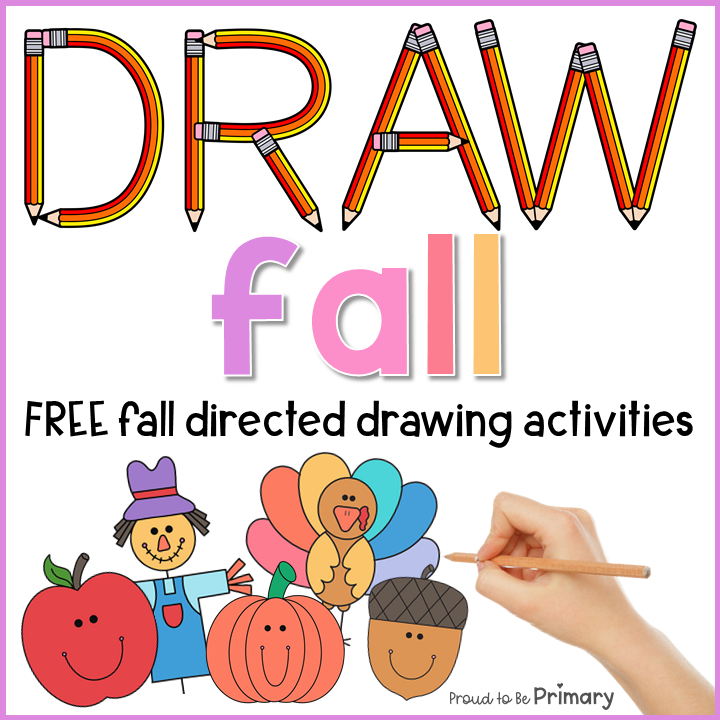
FREE Fall Directed Drawing Activities
Try this set of directed drawing, plus writing and reading activities this fall. Use these activities and your read-aloud for a fun fall lesson! Grab these to have on hand for sub plans, lesson extensions, small groups, morning routines, and more!
Fall SEL Resource
Grab amazing fall activities in the Fall Social-Emotional Learning resource by Proud to be Primary. Teach kids about respect, manners, gratitude, and inclusion this fall in kindergarten, first grade, or second grade with this Fall SEL social-emotional learning activities resource! The mini-lessons and activities are perfect for your fall bulletin board, Thanksgiving activities, and fall lesson plans, and build important social-emotional skills.
The SEL Fall lessons and activities resource includes PRINTABLE & DIGITAL mini-lesson ideas to fill your lesson plans with engaging activities kids will love.

More Ideas for Fall


PIN IT


Leave a Comment