

This post may contain affiliate links, meaning I receive a small commission if you make a purchase using these links. As an Amazon Associate, I earn from qualifying purchases at no additional cost to you.
16 important social-emotional learning games are great for classroom or home use. Teach positive social interactions and behaviors, encourage relationship skills, and practice effective communication.

16 Social-Emotional Learning Games for Kids
Social-emotional learning games are a great way to teach kids about their emotions and relationships. When promoting emotional growth and awareness, it’s essential to do so in a way that kids will connect with and enjoy. Kids need a safe place to discuss emotions and experiences, which will help them develop into well-rounded individuals with healthy mental awareness.
There are different types of social-emotional learning games that you can use in your classroom or at home. Depending on your needs, you can quickly transform a game you already own into a social-emotional one. In addition, you can find plenty of game ideas online or purchase games specifically designed to develop students’ social-emotional mindset.
Hands-On Social-Emotional Learning Games
When teaching social awareness, it’s important to do so in a way that kids understand and remember. Hands-on games are perfect for this. Not only are they engaging and fun, but they also help tactile learners know what they’re supposed to be learning.
Here are some hands-on and fun social-emotional learning games for kids to play in small groups. These games help kids build communication skills and prosocial behavior.
1. Don’t Break the Ice
A great way to get kids to talk about their emotions is to use a game they’re already familiar with. It’s easy to transform the game Don’t Break the Ice into a social-emotional learning game! Write different prompts on the different ice blocks.
You can use a dry-erase marker to change the prompts easily. These can be anything, from questions about bullying to how different situations make them feel.
2. Emotions Jenga
You need a Jenga set and a marker to play this hands-on game. Write different emotions you want your students to learn about on random blocks. This should include such emotions as anger, happiness, worry, boredom, jealousy, and more. A student pulls an emotion Jenga blocks out.

Then, they tell their partner what that emotion means and what makes them feel it. For example, if they pulled the anger block, they would have to describe what anger means and express what makes them angry.
3. Empathy Games

Self-awareness is an essential part of social-emotional growth. You’ll play hands-on social-emotional learning games with kids using this self-awareness and empathy curriculum.
This includes games like the Empathy Game and ‘What Should I Do?’ board game. The games are interactive and hands-on, so your students stay engaged while learning.
Whole Group Social-Emotional Games
You can also play social-emotional games as a group and with classmates! SEL activities help promote community, perspective-taking, and friendship amongst kids as they work together to start understanding emotions and building relationships.
If you’re ready for social-emotional fun, here are a few classic age-appropriate games perfect for the whole group.
1. Musical Chairs

Musical chairs are a group game kids know and love! You can make this into a social-emotional learning game. Write different social-emotional topics on a piece of paper. For each round, tape one of the prompts on a random chair.
Then, when the music turns off and students find their chairs, a student sits at a social-emotional seat. You can then discuss that prompt or ask questions before moving on to the next round.
2. Kindness Scavenger Hunt
If you’ve ever organized a scavenger hunt, you know how much fun they can be! With this social-emotional scavenger hunt, you will send groups of kids to look for acts of kindness. This game is perfect for recess since kids from other classes will be outside.
When creating your scavenger hunt, include simple acts of kindness or use a Kindness Calendar. For example, it could be something as simple as helping a friend zip a coat or pushing a younger child on a swing. See how many kinds of things your students can find!

3. Who Am I?
Playing this fun classroom game with a social-emotional spin is easy. Simply print different emoji icons on a piece of paper. If you plan to play this game frequently, you can laminate it to protect it. Then, tape a random emoji to each student’s back.
Then, they race the clock to guess which emoji is stuck to their backs! They can ask other students yes or no questions in their quest to discover which emotion they are.
Social-Emotional Games You Can Purchase
Amazon is an excellent resource for buying social-emotional learning (SEL) games. Below are high-quality SEL games that kids will enjoy playing during class meetings or at home!
1. Gifted Learning Flash Cards (Preschool to Kindergarten)
To teach younger kids social-emotional learning skills through games, they’ll first need to learn how to identify different emotions and what they look like. Thankfully, there’s a learning game for that! This social-emotional learning game helps kids learn how to identify different emotions, what they might look like in real life, and how to manage them.

2. Feelmo Speaking Cards (Age 4+)
Understanding and expressing emotions can be complex for younger kids. These cards make it easy, as kids can use them to describe their feelings. Kids select an emotion card and then discuss it, helping them understand why they feel an emotion and what it means. They work great for a game of emotion charades, as well.

3. My Feelings Game (Age 4+)
This social-emotional game includes 280 different emotional scenarios. It includes various ways to help regulate emotions, giving students the tools to deal with difficult situations. The game also provides movement cards that keep kids interested. Overall, it is a fun and interactive way to encourage social-emotional growth through learning games.

4. Who’s Feeling What? by Learning Resources (Ages 3+)
This social-emotion learning game and activity set helps kids strengthen their SEL skills by matching the callers with their feelings! Who’s Feeling What? makes a great addition to classroom game collections and home playrooms. The included activity guide even features multiple ways to use this communication game to help kids build stronger SEL skills.

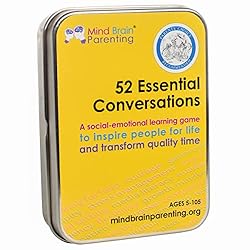
5. 52 Essential Conversations (Age 5+)
This social-emotional learning game uses conversation starters to get kids thinking about social situations. It will help kids with social awareness, relationships, mindfulness, and self-confidence. By using these conversation starters, you’re helping kids develop into well-rounded adults with a healthy mindset.
6. Mad Dragon: An Anger Control Card Game (Ages 6-12)
We’ve all experienced anger. Anger isn’t necessarily destructive, but how we respond to it can be. This social-emotional learning game teaches kids ages 6-12 how to control their anger. They can’t always control what makes them mad, but they can control how they react.

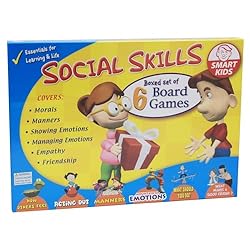
7. Didax Social Skills Board Games (Grades 1-5)
You’ll appreciate this game if you teach or have elementary-age kids. This social-emotional game focuses on critical social skills that kids need to learn. This includes manners, what would-you-do scenarios, what makes a good friend, and more. It includes six engaging board games that kids will love!
8. Stop the Drama Thumball (Elementary – Teens)
Kids will have a blast discussing different social-emotional scenarios with this interactive game. Take turns tossing the ball to one another. The person who catches the ball looks at the question their thumb lands on. Then, they must respond to that question. This game is fantastic because you can play it with larger groups endlessly. Even if another child gets a repeat question, they’ll still be able to answer it uniquely.

9. Mixed Emotions (Age 7+)
This social-emotional learning game is effective in the classroom. It includes enough emotion cards for multiple players, making it perfect for large groups of students.
10. Mindfulness Matters (Ages 9-18)
As kids age, it’s time to start using age- and developmentally appropriate social-emotional learning games. Mindfulness Matters is a card game for older students aged 9-18. This card game uses different questions and scenarios to help kids express themselves about stress, anxiety, anger, and more. For example, one card states that mindfulness is the opposite of doing something carelessly. It then asks the player to describe when they zoned out but wished they would have been paying attention.

Use social-emotional learning games to help your students develop their awareness and healthy mindset. When encouraging social-emotional growth through games, ensure you do so in a safe and comfortable environment.
Social-Emotional Learning Resources
Social-emotional learning resources include games that build important social emotional skills, lesson plans, activities, discussion starters, and more.
Teach children in K-2 the most critical emotional literacy lessons when needed, with units and activities on emotions, self-management and self-regulation, growth mindset, empathy and compassion, social awareness, friendship, kindness, respect, and responsible decision-making. Click here to learn more!

Want to create a calm, peaceful classroom filled with respectful, confident, and kind kids who can build relationships and communicate effectively? Then, this SEL curriculum is for you! Click here to learn more!

More Social-Emotional Learning Ideas
Free Social-Emotional Learning Ebook
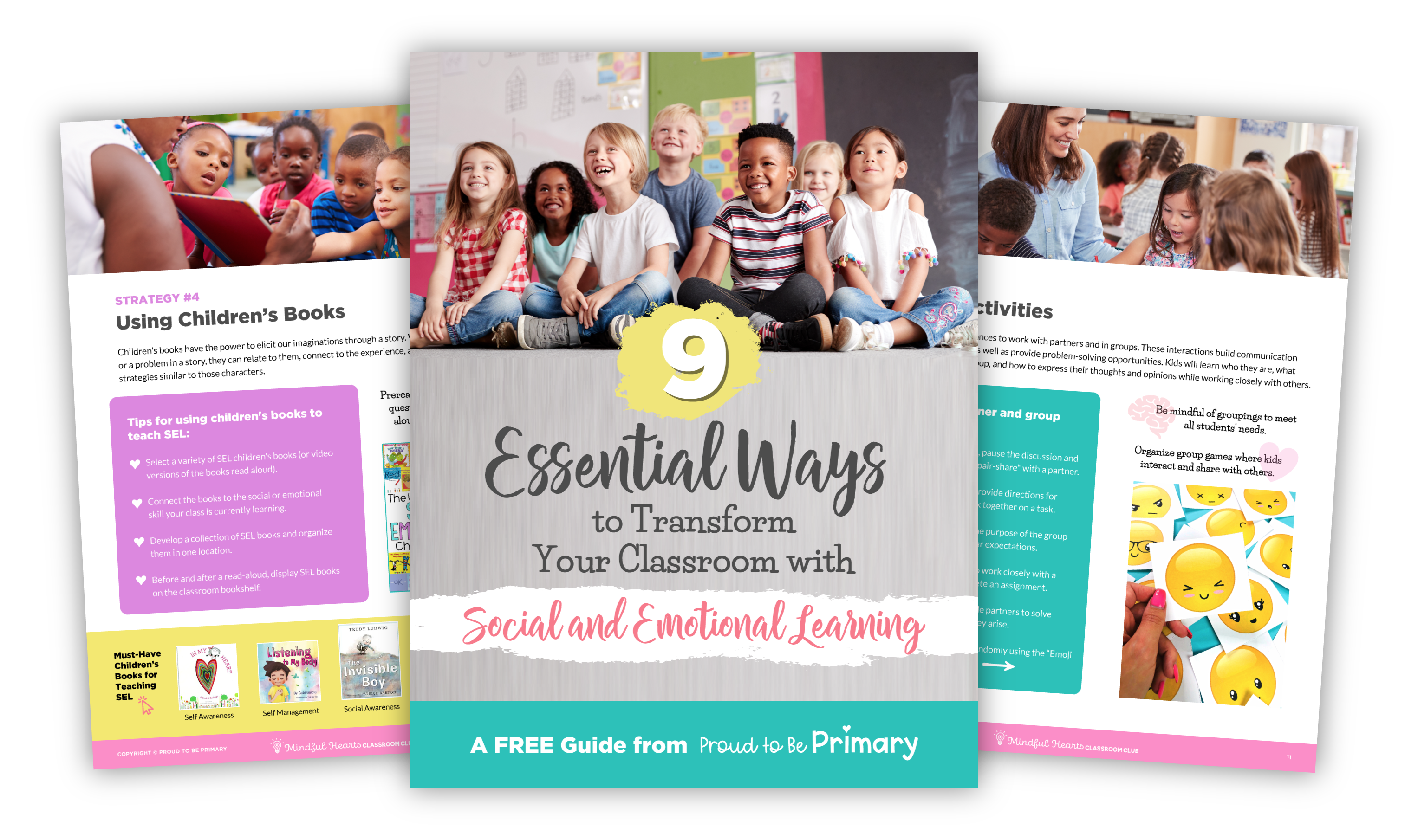
The FREE Guide for Teachers offers nine ways to transform your classroom with social-emotional learning. It is filled with actionable tips and strategies, insightful ideas to get you started, and free printable templates and activities you can use in your classroom immediately.
Click the image below to get your FREE copy.
Learn More about Teaching SEL

Mindfulness Activities for Kids

Emotional Skills Books and Videos

PIN IT


This can help restriction failures on undesirable nights and retain anyone heading till
a great evening comes.
Thank you so much – these are great ideas! I’m always trying to think of things like this to teach my preschoolers… it’s great that they’re all here in one place.
Clara
https://kidzjigz.com.au/