
Transform your math workshop with a simple system that keeps students engaged, organized, and working independently while you focus on small-group instruction.

Managing a successful math workshop can feel overwhelming. Between meeting with guided math groups, keeping students engaged in math centers, managing math workshop rotations, and answering constant questions, it’s easy for the math block to feel disorganized.
One of the keys to effective math workshop management is having a clear system that students can follow independently. That’s where a Math Rotation Board comes in. This simple math workshop organization tool helps students know exactly where they should be and what they should be doing, allowing you to focus on small group math instruction while your math workshop runs smoothly.
Table of contents
- What Is Math Workshop?
- Why Math Workshop Feels So Overwhelming
- How I Organize My Math Workshop
- Math Workshop Rotation Ideas
- Benefits of a Math Workshop Rotation Board
- Math Workshop Management Tips
- Common Math Workshop Challenges and Solutions
- FAQ
- Bringing it all Together
- Math Workshop Classroom Kit
- Try the Mindful Math Comprehensive Program
- More Math Workshop Ideas for You!
What Is Math Workshop?
A math workshop is a student-centered approach to math instruction that combines whole-group teaching, small-group math instruction, independent practice, and math centers. During a typical math workshop, teachers introduce a skill during whole-group instruction, meet with guided math groups for targeted support, and provide opportunities for students to practice concepts independently or through hands-on activities.
Many teachers also include time for students to reflect, share strategies, and discuss their learning at the end of the lesson.
Because students are often working on different tasks at the same time, a strong math workshop organization is essential. Clear routines, expectations, and systems help math workshop rotations run smoothly, minimize interruptions, and allow teachers to focus on providing meaningful instruction to small groups.

Why Math Workshop Feels So Overwhelming
While the math workshop model offers many benefits, it can also feel overwhelming to manage. Teachers are often juggling multiple guided math groups, tracking math workshop rotations, preparing materials for math centers, and providing support to students with varying needs.
One of the biggest frustrations is when students forget where they’re supposed to go or what they’re supposed to be doing. This often leads to constant interruptions during teacher time, making it difficult to focus on small-group math instruction.
The good news is that many of these challenges can be solved with a clear organizational system. A Math Rotation Board helps students stay on track, understand their responsibilities, and move through math workshop rotations independently, creating a smoother and more manageable math workshop for everyone.
How I Organize My Math Workshop
A strong workshop organization system doesn’t have to be complicated. By setting up a few simple systems, you can keep students engaged, reduce interruptions, and ensure your workshop runs each day smoothly.
Step 1: Create Student Groups

The first step is creating your guided math groups. I use flexible grouping, which means students can move between groups as their skills and needs change throughout the year. Groups can be based on a specific math skill, problem-solving strategy, assessment data, or targeted intervention needs.
Flexible grouping allows you to provide meaningful small group math instruction while ensuring students receive the support and challenge they need.
Step 2: Set Up Your Rotation Board

Next, create a math rotation board so students always know where they should be working during rotations. I use the MATH framework because it is easy for students to remember:
M = Math Warm-Up
Students complete a warm-up activity, math journal prompt, fact fluency practice, or problem of the day.
A = At Your Seat
Students work independently on assigned practice, workbook pages, or other math tasks.
T = Teacher Time
Students meet with the teacher for guided math instruction and targeted support in small groups.
H = Hands-On
Students complete math centers, games, or other interactive learning activities.
The best part is that you can customize station names and activities to fit your classroom and teaching style.
Step 3: Organize Materials for Easy Access

An organized classroom makes math station management much easier. I store math center materials in clearly labeled drawers so students can quickly find what they need without asking for help.
When materials are organized and easy to access, students become more independent, transitions happen faster, and interruptions during teacher time are greatly reduced. This allows you to stay focused on your guided math groups instead of answering questions about supplies and materials.
Step 4: Plan Rotations for the Week

Weekly planning is one of the simplest ways to stay organized during math workshop. I use planning pages to map out my rotations, determine which students will meet with me, and assign activities for each station.
Having a plan in place saves time, simplifies differentiation, and ensures that every student participates in meaningful learning activities throughout the week. With a clear system, management becomes much more efficient and less stressful.
Math Workshop Rotation Ideas
One of the best things about the workshop is that it can be customized to fit your students, schedule, and teaching style. Here are a few math station rotation ideas to help you create a system that works for your classroom.
Rotation Example #1: The MATH Framework

This is the rotation system I use most often. The MATH framework provides students with a consistent routine while allowing opportunities for independent practice, guided math instruction, and hands-on learning.
- M = Math Warm-Up
- A = At Your Seat
- T = Teacher Time
- H = Hands-On
This simple setup helps students transition smoothly between activities and supports effective management of math workshops.
Rotation Example #2: Custom Math Stations

As students become more independent, you may choose to create more specific math rotations. Some popular station options include:
- Games
- Centers
- Math Club
- Independent Work
- Problem Solving
- Guided Math
- Tech Time
- Math Journals
These station choices allow you to target different math skills while keeping students engaged throughout the math block.
Rotation Example #3: Simplified Workshop Setup

If you’re new to guided math or looking for a simpler system, start with just four rotations:
- Meet with Teacher
- At Your Seat
- Tech Time
- Hands-On
This streamlined approach is easy to manage and still provides opportunities for small group math instruction, independent practice, and meaningful math center activities.
Benefits of a Math Workshop Rotation Board
A Math Rotation Board is one of the simplest tools you can use to improve your classroom management. By clearly displaying where students should be and what they should be doing, it helps create a more organized and productive learning environment.
Some of the biggest benefits include:
- Helps students know where to go. Students can quickly check the board and move to the correct station without needing directions from the teacher.
- Supports student independence. Clear expectations and visual reminders help students take ownership of their learning during math workshop rotations.
- Reduces interruptions during teacher time. When students know where they’re supposed to be, you can focus on your guided math groups instead of answering questions.
- Makes small group math instruction easier. Fewer interruptions allow you to provide more focused support and meaningful instruction to students.
- Keeps your workshop organized. A rotation board provides structure and consistency, helping the entire math block run more smoothly.
- Simplifies classroom management. With established routines and clear rotations, students transition more efficiently between math centers and activities.
Whether you’re just getting started with guided math or looking to improve your current system, a Math Rotation Board can make your math workshop feel more manageable and effective.
Math Workshop Management Tips
Successful math workshop management starts with strong routines and clear expectations. Taking time to establish procedures early in the year will help your math workshop run more smoothly all year long.
Here are a few tips that have worked well in my classroom:
- Teach routines before content. Spend time teaching students how math workshop works before expecting them to work independently.
- Practice transitions regularly. Model and practice moving between math workshop rotations so students know exactly what to do when it’s time to switch stations.
- Model expectations for every station. Whether students are working in math centers, meeting for guided math, or completing independent work, make sure they understand the expectations for each activity.
- Use visual schedules and rotation cards. Visual supports help students stay on track, reduce confusion, and increase independence during math workshop.
- Keep materials organized and accessible. When students can easily find and return materials, transitions are faster, and interruptions are minimized.
With consistent routines and strong math workshop organization, students gain confidence and independence, allowing you to focus on providing effective small-group math instruction.
Common Math Workshop Challenges and Solutions
Even with strong routines in place, math workshop management can come with a few predictable challenges. The good news is that most of them can be solved with clear systems and consistent expectations.
- Students interrupt small groups.
Teach students to always check the math rotation board first before asking questions. This builds independence and protects your time for small group math instruction. - Students forget where to go.
Use visual rotation cards, group labels, and a clear math rotation board so students can quickly identify their station during math workshop rotations. - Centers become chaotic.
Spend time explicitly teaching and practicing procedures for each math center. Model expectations, then revisit them regularly to keep routines strong. - Students finish early.
Provide meaningful extension options such as math journals, problem-solving tasks, or enrichment activities so students stay engaged during the math workshop.
With the right supports in place, these challenges become manageable, and your math workshop runs with more structure, independence, and consistency.
FAQ
What is a math workshop rotation board?
A math rotation board is a visual tool that shows students where they should be during math workshop rotations. It helps organize guided math groups, math centers, and independent work so students can move through the block with less confusion and more independence.
How many groups should I have in the math workshop?
The number of groups depends on your class size and students’ needs, but most teachers find that 3–5 guided math groups work well for small-group math instruction and effective differentiation. If you have lots of math games you want the kids to work through, you will have more centers.
What stations should I include in the math workshop?
Common math workshop stations include math centers, guided math groups (teacher time), independent work, math journals, hands-on activities, and tech time. The best setup depends on your teaching style and classroom structure.
How long should math rotations be?
Rotation length can vary, but many teachers use 15–25 minute blocks depending on grade level and lesson focus. The key is to keep transitions smooth so math workshop management stays consistent.
How do I keep students independent during a math workshop?
Clear routines, consistent modeling, and visual supports like a math rotation board all help build independence. Teaching expectations early and reinforcing them often is key to reducing interruptions during small group math instruction.
Can I customize my math workshop rotations?
Yes! One of the best parts of math workshop is flexibility. You can customize stations, groupings, and activities to fit your students’ needs, curriculum, and classroom routines.
Bringing it all Together
A well-structured math workshop can completely transform your math block. With the right systems in place, you can move from confusion and constant interruptions to a routine that feels calm, clear, and purposeful.
A Math Workshop Rotation Board helps create that shift by supporting better organization, increasing student independence, strengthening small group math instruction, and making math workshop routines more consistent and manageable.
When students know exactly where to go and what to do, your math workshop runs more smoothly—and you get more time to focus on what matters most: teaching.
If you’re ready to simplify your math workshop management, the Math Workshop Rotation Board resource is a simple, ready-to-use system that helps bring structure and clarity to your daily math block.
Math Workshop Classroom Kit
Be sure to grab the complete Math Workshop Board to make your math stations so much simpler.

FREE Number of the Day Poster
Want to create an effective number-sense routine that builds fluency with numbers to 20? Start today with the FREE Number of the Day poster kit. Adding this simple routine to your day helps students internalize number sense before taking off with other skills.

Try the Mindful Math Comprehensive Program
Read about the Mindful Math program and how it can positively change your math block! This comprehensive math curriculum is available for Kindergarten, first grade, and second grade.

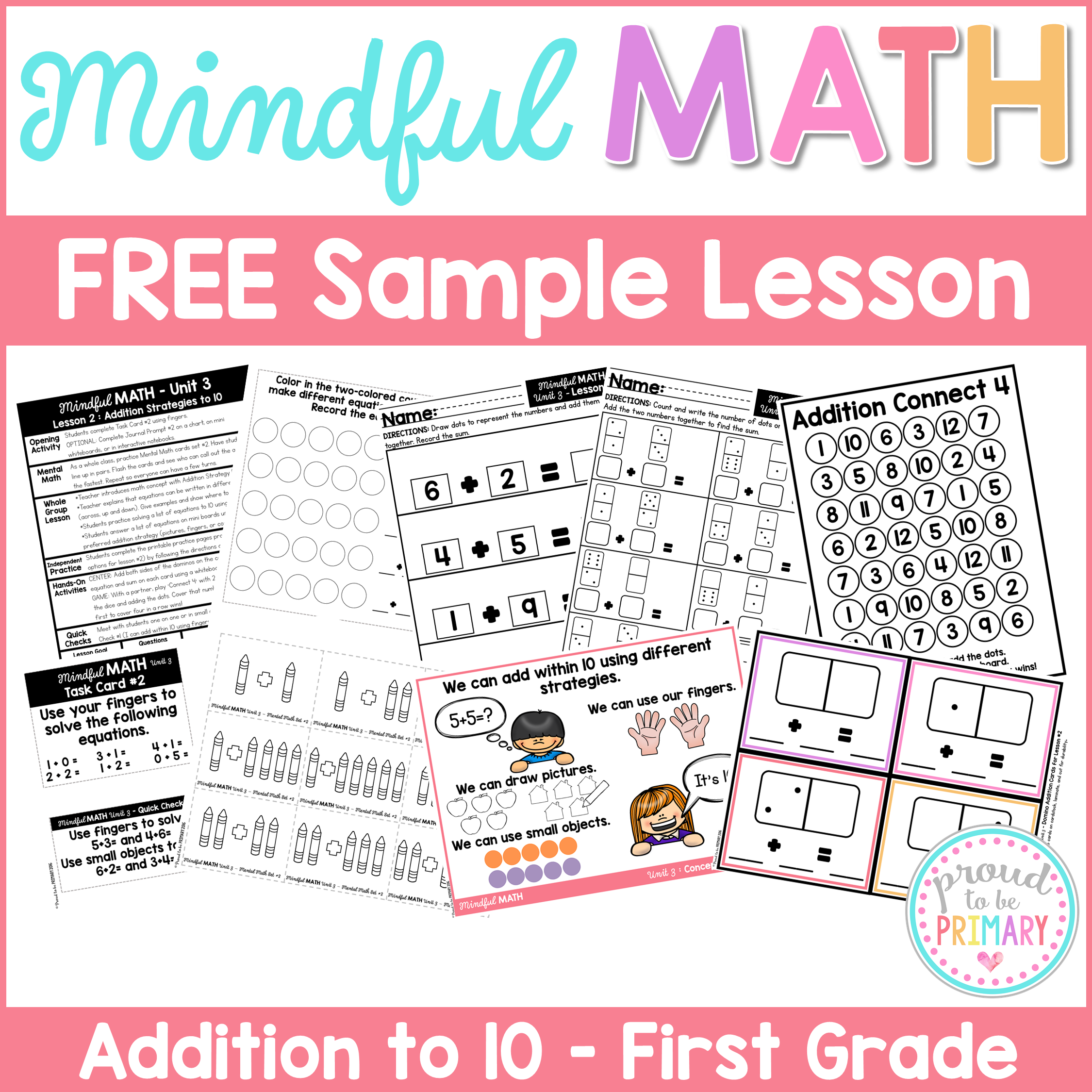
First Grade Mindful Math Sample Lesson
This First Grade lesson is included in the complete Addition to 10 unit.
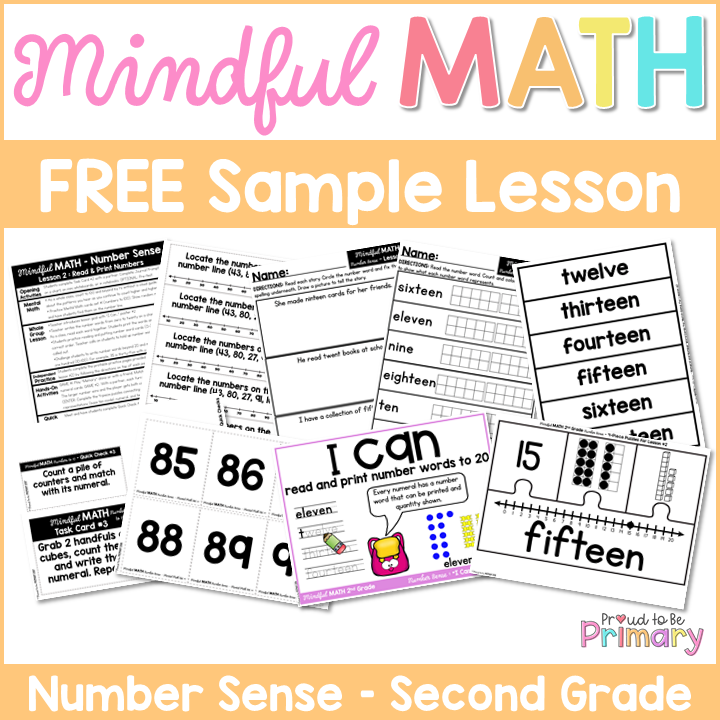
Second Grade Mindful Math Sample Lesson
This is a sample lesson from the Second Grade Mindful Math unit on Number Sense (to 1000).
More Math Workshop Ideas for You!


Do you also have this for reading workshop
No sorry! Not at this time.
Do students rotate independently through each center or do you rotate them/ give some sort of time limit for each center?
That is completely up to you and should be based on what you have worked out with your class. In the beginning, kids will need more structure and support as you rotate them through. Once they become more independent and fluent with the tasks they need to complete, they may be ready to flow through on their own.
do you have them do one station a day? or each station each day
Hi Jeanne. My hope is to get to the place where we rotate through each station during a longer math block, but some days it would be only a few. It all depends on what you have time for and your student’s needs/abilities.