

The end of the year is not only a celebratory time but also a busy one, with lots to finish up. Field trips, packing up the classroom, completing projects, and more are filling your calendar. Make time to add some fun with end of the year activities and create a keepsake memory book that your students will cherish.

A Special End of the Year Memory Book
As the end of the school year approaches, I always reflect on the memories and experiences we’ve shared as a class. Each year, we create end of the year memory books to capture the special moments and give my students something tangible to hold on to as they take the big step into the next grade.
End of the year memory books are a wonderful keepsake that also serves as a special way to spend those last few weeks of school. With the tips and ideas below, you will feel confident and ready to guide students in creating their memory book using the provided templates outlined in this post.
End of the Year Activities
It’s essential to wrap up the year with some end of year activities. They allow teachers to have fun with students without the stress of completing projects, administering tests, or covering standards. Whether you decide to spend 24 days celebrating the end of the year or just 10, you can enjoy this time with students in many ways.
Some activity ideas I have tried in recent years include:
- An ABC countdown
- Spotlighting a special student daily
- Paper chain countdown
- Memory books
- Any of the SEL activities
My favorite has to be creating memory books. There is just something about creating these nostalgic vibes.
End of the Year Memory Book
The memory book I create is simple yet meaningful. It includes pages for each student to write about their favorite memories from the year, pages for their favorites, what they learned, and even a page about their teacher. I mean, we taught them all year, right? We definitely deserve our own page! I also included prompts to help students reflect on their growth and achievements over the year.

Watching students fill out their memory books is heartwarming. They laugh and reminisce about all the fun we’ve had together, from class parties to field trips. They also take the time to reflect on how much they learned and how much they have grown. It’s definitely a kid-preferred activity!
What Is an End of the Year Memory Book?
An end of the year memory book is a collection of pages that help students reflect on their school year and capture their favorite memories. Teachers often use memory books during the final weeks of school as a meaningful activity that allows kids to think about what they learned, the friends they made, and the experiences they enjoyed throughout the year.
Memory books typically include a mix of writing prompts, drawing activities, and reflection pages. Students might write about their favorite subject, illustrate their favorite classroom moment, or describe what they learned during the year. Younger students can draw pictures and complete simple sentences, while older primary students may write short paragraphs about their experiences.
Many teachers turn these pages into a keepsake booklet that students can take home to share with their families. It becomes a special way for children to remember their classmates, celebrate their growth, and look back on everything they accomplished during the school year. For teachers, it’s also a wonderful way to wrap up the year with a fun and reflective classroom activity.
Why Create a Memory Book?
Memory books take some time to complete, from a couple of days to a few weeks. But they are entirely worth it! When you start working on pages, you quickly realize how much students have learned, enjoyed, and accomplished throughout the year.
You could consider creating end of the year memory book to
- Create a keepsake
- Help students see how far they have come
- Recognize special memories
- Remember important events
- Document classmates, classroom, teacher, etc.

I am all about keeping things simple. Select pages for a memory book that are easy to read, eye-catching, and fun to complete but simple in design. This way, students do not need much direction while creating, and it keeps the prep time way down!
Ideas for Memory Book Pages
Cover Page
The cover page can be designed in two different ways. You can choose to add the student’s name to the cover or include a picture. Snap a photo with your cellphone and print each one to attach, or have students draw a self-portrait. I love giving each kid a little mirror and watching them laugh while drawing. Whichever option you choose, the cover will look adorable!

Introduction Pages
Next come the introduction pages. These pages revolve around the student, teacher, and classroom. These are the perfect pages to get students into the rhythm of the memory book. They are easy to complete, and students love to describe themselves, their classmates, their teacher, etc.

Accomplishments Page
One of my favorite pages in the memory book is the “Accomplishments” page. Students write on this page three things they have accomplished throughout the school year. As I read through their responses, I was always struck by how much each student had accomplished and how far they had come since the beginning of the school year.

Top 10 Page
Another page to love is the “Top 10” page. Students write their 10 favorite things from the school year. There is always such a variety in responses. I love reading about the events, activities, and lessons they remember and enjoy! It makes all those hours of lesson planning, prepping, and executing worth it!

Things I Loved Page
The “Things I Loved” page is always fun to complete after we brainstorm as a class! Students love to share the lessons, projects, and themes they remember. By the end, kids have tons of ideas for what they have learned and loved throughout the year.

I use all the options above when creating my end of the year memory book, plus those listed later on.
More End of Year Memory Book Page Ideas
In addition to the pages listed above, teachers often include a few extra reflection pages to help students think about their school year and celebrate their growth. These simple prompts give kids the chance to write, draw, and remember special moments from the classroom.
Here are a few more end of year memory book page ideas you might want to include:
- My Favorite Memory This Year – Students write or draw their favorite moment from the school year.
- My Teacher – Kids can write about their teacher or draw a picture of their classroom.
- My Friends – Students share who they enjoyed spending time with during the year.
- What I Learned This Year – A reflection page where students write about new skills or subjects they enjoyed learning.
- My Goals for Next Year – Students think about what they want to learn or try in the next school year.
- Summer Plans – Kids draw or write about what they are excited to do during summer break.
- Self Portrait – A fun page where students draw themselves at the end of the school year.
These types of pages help create a meaningful keepsake that students can look back on and remember their school year.
How to Create a Memory Book
Putting memory books together doesn’t have to be an impossible task! I have simple ways to make it easier and more enjoyable.

Pages to Include
Engaging Prompts
First, select engaging prompts. By having these ready, students are more likely to enjoy the time it takes to fill them out. If the prompts are quick, students will finish without much thought. Engaging prompts often get students to think and reminisce about the year.
Themed Memories
You can also pick and choose which pages to include. The memory book can be full of pages about the student personally. An about me page, an accomplishments page, a things they learned page, etc., or you can make it a class-themed memory book with a class page, a day in the classroom/life page, etc.
Multiple Page Options
Another thing I learned while creating memory books is to have page options. This doesn’t mean you must allow students to choose which page to do. But it will allow you the choice. One class may enjoy writing about their teacher, while the following year writing about their friends may be more engaging. Having different page options lets you quickly customize the book to fit the student’s interests.
You might also want to pull in student writing templates and samples of work on a variety of topics completed throughout the year to add more depth. This will help make this the ultimate keepsake!
Time
Finding time at the end of the year is often challenging. But creating a memory book with your students is a meaningful way to spend the last couple of days together as a class. Plus, students will be refining their writing and composition skills.
Below are ideal times to complete a memory book.
Morning Meeting
You can ensure your memory books get completed on time by using the morning meeting or circle time to brainstorm ideas for specific pages. If you are working on the “Things I Loved This Year” page. As a class, think together about all the things your students love and create a class chart. This will not only make the writing process easier for many students, but it is also a fun way to remember everything together!
Small Groups
If you are still running centers, completing this book in small groups is a great option. Students can sit and work on it during center time, and you can easily collect them when they rotate or at the end of the period.
Partners
Students could also work in pairs during snack time, free time, or centers. This allows students to bounce ideas off one another and work productively together.

Constructing The Book
I’ve had years where we barely finished our memory books, and I was throwing them into backpacks on the last day. But you don’t want to be like me, so once students have completed their memory book, there are plenty of easy ways to put them together and make them look nice.
Staples – Stapling the pages together is probably the fastest way to put the book together and get it back to students.
Binding – If you want the book to look more professional, you may want to bind it. If you can access a binding machine, pre-select the pages you want to include and bind them together before handing them to students. Then, students can create the book page by page.
Ribbon or String – Another easy way to put the memory book together is to hole-punch each page. Then, use a colorful ribbon or string to tie it together. This method yields a cute keepsake for parents to place in a special memory box for their child.
Teacher Tips for Creating End of Year Memory Books
End-of-the-year memory books are a fun and meaningful way to wrap up the school year, but a few simple strategies can help make the process smoother and more enjoyable for both teachers and students. These tips can help you turn the activity into a special keepsake your students will love taking home.
Keep the pages simple for younger students. Primary students often express themselves best through drawings and short sentences. Provide prompts with space for pictures and simple writing so all students can participate successfully.
Work on the memory book over several days. Instead of completing the entire book in one sitting, spread the pages out over the last week or two of school. This allows students to take their time reflecting and keeps the activity relaxed and enjoyable.
Encourage creativity and personalization. Let students decorate their pages with colors, stickers, or small drawings. Adding personal touches helps make each memory book unique.
Turn it into a special keepsake. Once all the pages are complete, assemble them into a booklet using staples, binding, or folders. Students will love taking home their finished memory book to share with their families.
Include photos or classroom memories if possible. If you have classroom photos from the year, consider adding them to the memory book or displaying them while students work so they can remember special moments.
These small touches help make end-of-the-year memory books a memorable reflection activity and a meaningful keepsake for students.
End of the Year Memory Book Resource
Try the End of the Year Memory Book by Proud to be Primary. You and your students will love remembering the great times you enjoyed together!
This simple and fun-to-make memory book includes the following pages.
- Cover page (with/without picture)
- All About Me
- My Friends
- My Teacher
- Moments To Remember
- All The Things I’ve Learned
- My Classroom
- My Top 10
- My Accomplishments
- Things I Loved This Year
- A Day In My Life
These pages can be added and completed in any order, too!

If you like this resource, you’ll love my class awards and end of the year morning meeting to help you finish the school year strong!
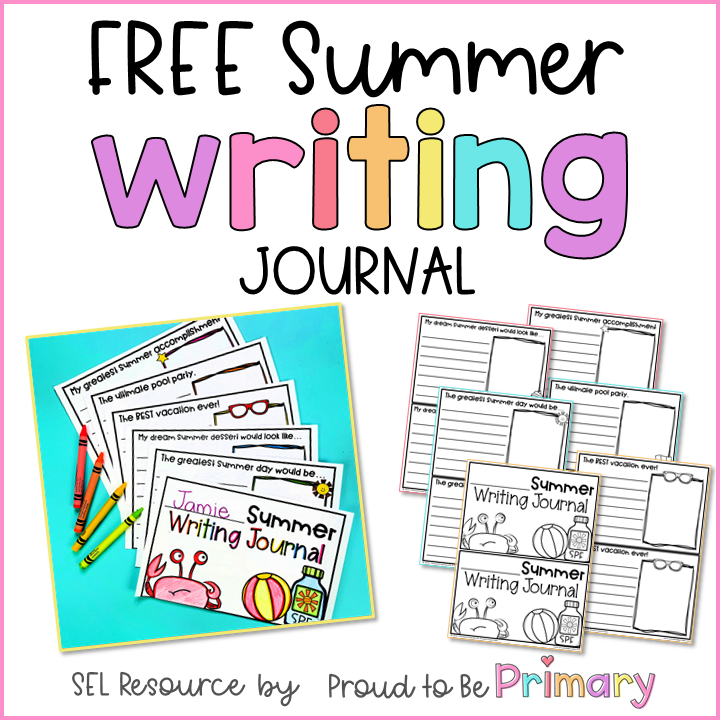
Free Summer Writing Journal
After you’re done remembering all the good times with your students, it’s time to send them home for summer vacation. Send them home with this FREE summer writing resource!
Click the image below to grab a copy.
More End of the Year Ideas/Activities


30 End of the Year Classroom Activities
PIN for Later


