

If teaching the alphabet feels repetitive, try mixing it up with letter recognition activities. From games and crafts to books and free printable resources, these ideas help students build letter and phonics skills with excitement.

Creative and Engaging Ways to Teach Letter Recognition
Letter recognition is the foundation of reading. Before kids can sound out words, they need to know their letters by sight and sound. The good news? You can teach this through fun, hands-on activities that feel more like play than work.
When it comes to teaching the alphabet, kids learn best through play. Letter recognition games, preschool alphabet activities, and other fun ways to learn letters keep students engaged while also building a strong foundation for reading.
If you’re wondering how to teach letter recognition effectively, it starts with practice and repetition in meaningful contexts. Children who can quickly recognize and recall letters have an easier time connecting them to sounds, which makes learning to read smoother and more enjoyable. These easy strategies will show you how to build those skills in a way that feels natural for kids.
Resources and Activities: Fun Ways to Teach Letter Recognition
Why Letter Recognition Matters
Letter recognition is one of the first building blocks of reading. When children can identify letters by sight, they’re able to connect those letters to the sounds they make, which is essential for decoding words and developing reading fluency. Without this foundation, learning to read can feel frustrating and overwhelming for young learners.

Simple, hands-on activities make a big difference. Letter search pages, where kids have to circle or dot specific letters, help them focus and reinforce recognition playfully. Spot-the-letter worksheets work similarly, encouraging children to scan a page and find each target letter while building attention and memory skills. These small, engaging exercises are an easy way to turn practice into fun while strengthening alphabet recognition.

Try this: Give kids a letter search page and have them circle or dot all the target letters. You can also use a spot-the-letter worksheet for extra practice.
Direct Instruction Tips
When it comes to teaching letter recognition, hands-on learning can make all the difference. Using tools like magnetic letters, letter tiles, or even alphabet stamps allows children to see, touch, and manipulate the letters as they learn. This multisensory approach helps reinforce both letter names and their corresponding sounds.
You can also make direct instruction interactive by having students build letters with playdough, trace letters in sand, or match uppercase and lowercase letters using flashcards. Short, focused practice sessions, just a few minutes at a time, are often more effective than long drills. Pair these activities with letter recognition games or spot-the-letter worksheets to give kids repeated exposure in a way that feels fun rather than forced.
Hands-on instruction isn’t just engaging; it also helps children internalize alphabet recognition skills more quickly, setting them up for success as they move on to phonics and reading. Discover how to teach phonics in a fun and straightforward way!

Try this: Let children build letters with magnetic letters, playdough, or alphabet stamps while saying the letter names and sounds aloud.
Alphabet Exposure Activities
The more children see and interact with letters, the stronger their letter recognition skills become. Alphabet exposure activities give kids multiple ways to encounter letters in meaningful, playful contexts.
Classroom or home activities can be simple but effective. Try hanging an alphabet wall and pointing out letters during daily routines, or use alphabet books to explore letters in stories. Letter scavenger hunts around the room, where kids find and name letters on posters, toys, or everyday objects, turn learning into a mini-adventure.
You can also combine literacy and movement with activities like letter hop, where students jump to letters on a mat, or alphabet tracing in salt or shaving cream. These approaches turn abstract letters into hands-on experiences that stick. Pair them with letter recognition games, preschool alphabet activities, or spot-the-letter worksheets to provide repeated, engaging practice.
Try this: Hide alphabet cards around the room for a quick scavenger hunt. Have students find and name the letters as they collect them.
Resources, Printables, and Activities for Letter Recognition
Daily Practice Ideas
Consistent, short practice is key to building strong letter recognition skills. Daily practice activities don’t have to be long or complicated; they need to give kids regular exposure to letters in fun, hands-on ways.
Alphabet posters are a simple tool to reinforce letter recognition every day. You can point out letters during morning routines, circle letters as you read together, or have kids refer to the posters during independent work.

Hands-on activities make daily practice even more engaging. Try dotting letters with daubers, tracing letters in sand, or using finger paint to form letters. Writing letters on various mediums, such as whiteboards, chalkboards, or textured surfaces, and using different utensils helps children build fine motor skills while reinforcing alphabet recognition.

Try this: Use dot markers (daubers) to fill in letters on worksheets, then have kids practice writing the same letters with chalk, crayons, or on a whiteboard.

Letter Recognition Games Kids Love
Making learning feel like play is one of the best ways to reinforce letter recognition. Kids naturally engage more when they’re having fun, and letter recognition games give them repeated exposure without it feeling like work.
Puzzles are a favorite for many children. Alphabet puzzles, where kids match letters to pictures or fit pieces together in order, help reinforce both letter names and their sequence. You can also create simple matching games with flashcards or use memory games that pair uppercase and lowercase letters.
Other fun ideas include letter bingo, “I Spy” with letters around the classroom, or alphabet relay races where kids identify letters as they move from station to station. Dot-to-dot letter pages or letter search activities add another hands-on element, combining focus and fun. By rotating these games regularly, you can keep students engaged while strengthening their letter recognition and phonics skills.

Here are some other fun and simple ideas:
- Place a large letter on the end of a popsicle stick and pass one out to each child in the classroom. Ask them to stand when you say a word that starts with their letter, or to find a partner with the same letter, or to say a word out loud that begins with that letter, etc.
- Give your children a notecard with their name spelled clearly on it. Say, “Whose name has a __ in it?” and all children with that letter in their name have to do something silly, like stand on one foot or touch their tongue to their nose, etc.
Try this: Set up a puzzle station with alphabet puzzles, or play a quick game of “Letter Bingo” when students cover letters as you call them out.
Best Alphabet Books & Songs
Books and songs are a simple, effective way to reinforce letter recognition while keeping learning fun. Reading aloud exposes children to letters in context, helping them connect letter shapes with sounds and words.
Each day during your morning meeting, sing a song that is repetitive and reinforces letter sounds. Add actions and emphasize mouth movement for each sound. The animal alphabet jive is a fun song to make into a book for daily review.

Some classic alphabet books are perfect for preschool alphabet activities. Look for books that focus on one letter per page, use rhymes, or include repetition; these features make it easier for kids to remember each letter. You can also create interactive read-alouds by having children point to letters, clap for each new letter, or find letters on the page. Alphabet coloring books are a simple and great way to add these ideas into the classroom.
Songs and chants are another engaging tool. Singing the alphabet song is a timeless favorite, but there are also many fun variations and letter-themed songs that include movements or hand gestures. Combining music with visual and tactile activities, like tracing letters while singing, reinforces learning in multiple ways, helping kids internalize alphabet recognition and making daily practice enjoyable.

Hands-On, Kinesthetic Activities that Build Letter Recognition
For those kinesthetic learners in your classroom, pull out the hands-on activities! Anything you can find that provides tactile stimulation is always fun. Try using wooden letter blocks that have raised lettering. Cut felt letter shapes for kids to place on a felt board.

Use alphabet cookie cutters and Play-Doh, or Play-Doh alphabet mats, as a fun activity for the owners of busy little hands to form the letters as they learn.

If your class is getting wiggly, have them stand up and create letters with their bodies. If you have a camera, take a picture of each child, and display the images on your classroom website or make a class alphabet book.
Cut and paste activities for letter practice are also beneficial for kinesthetic learners. The alphabet strip crafts get little hands cutting and gluing. Kids love creating things they can wear, like these alphabet letter ties.
Try this: There are many Fresh and Fun Ways to teach and learn sight words, once you start diving into those lessons.

Frequently Asked Questions
Most children begin recognizing some letters between ages 2 and 3, often starting with the letters in their name. By preschool (around ages 4–5), many kids can identify most of the alphabet. Every child develops at their own pace, so it’s okay for some to pick it up earlier or later.
Keep it playful and hands-on. Use songs, games, puzzles, sensory activities (like tracing letters in sand or shaving cream), or crafts that highlight different letters. Mixing movement with learning, such as jumping to the correct letter on a mat, also helps kids stay engaged.
Start with everyday moments. Point out letters on signs, food packages, or in books. Focus on a few letters at a time, especially those in your child’s name, and use repetition in fun ways, such as magnetic letters on the fridge, alphabet games, or short daily practice. Keep sessions short and lighthearted to build confidence and interest.
Resources for Teaching the Alphabet
Try the Alphabet Mega Bundle by Proud to be Primary! It has 16 Alphabet Resources with over 700 pages, including the resources mentioned above. You will have letter recognition games for your centers for the entire year.

This resource is ideal for Pre-K, preschool, and Kindergarten students learning their letters. It can also be used with first graders needing review on handwriting and letter sounds, or by parents of young children, or for homeschooling young children.
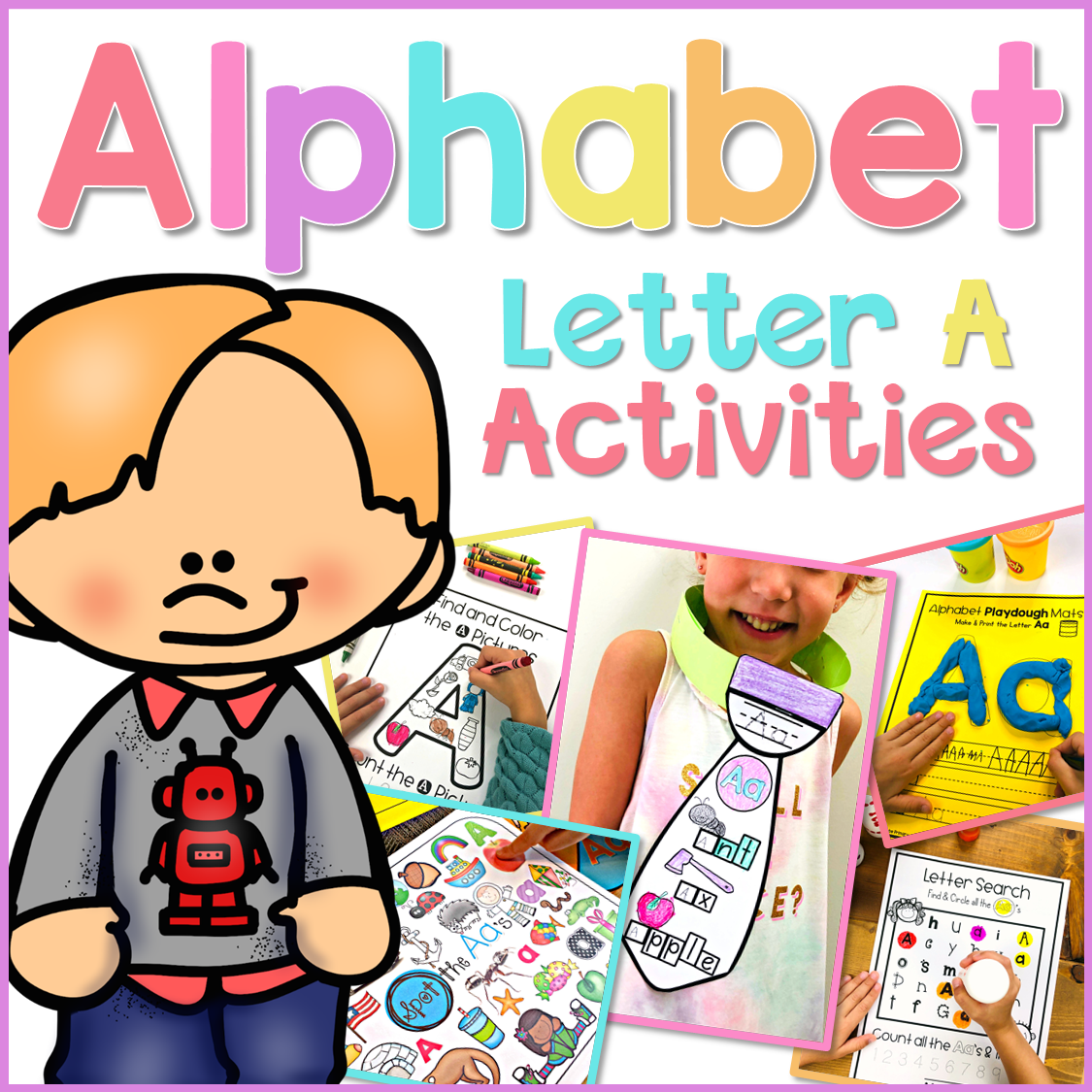
Try the FREE Letter A Activities
Help kids learn the letter A with this sample pack featuring tons of engaging activities they will love!
Grab the 19-page FREE letter A activities pack by clicking the image below.
Alphabet Materials
I hope that these basic ideas for teaching letter recognition and recall are helpful to you as you seek hands-on and easy-to-implement resources. Let me know if you have other creative ways to learn and practice the alphabet in your classroom/homeschool in the comments below.
More Letter Activities


PIN


