

Figuring out how to teach consonant digraphs to kids can be tricky! Yet, understanding the consonant digraphs sh ch wh th are crucial for early reading development in kindergarten and first grade. This post will explore effective tools and strategies to make the teaching process engaging and effective. Stick around for valuable insights!

Classroom Strategies To Help Teach Consonant Digraphs
Today, we’re diving into the essential topic of consonant digraphs – a fundamental aspect of early reading in kindergarten and 1st grade. Why the focus? Teaching consonant digraphs significantly impacts a child’s reading proficiency and comprehension.
In this post, we’ll explore why mastering digraphs matters and what they entail, and provide practical strategies and consonant digraph activities to simplify your teaching process. Every teacher has several students who need an extra push or additional practice to grasp this concept.
These strategies will help you grasp this concept more effectively. Let’s equip our students with the tools they need to decode words and embrace the world of reading!
Common Digraph Challenges
Picture this: Many of your students can read CVC words but struggle with digraphs. They can’t seem to join the two sounds, whether ending digraphs or consonant digraphs.
It’s tricky, but there’s a solution!
Consonant digraph activities in literacy centers and small groups will help boost their confidence as they work. Just like anything else, it takes practice, so provide them with plenty of opportunities to learn.

What are Consonant Digraphs?
A digraph is a combination of two letters to form one sound. Common examples include sh, ch, th, ph, and wh, such as ship, chop, thin, whip. These individual sounds are often found at the end of the word, but can also be at the beginning of the word. You will hear them referred to as consonant digraphs or ending digraphs.
When to Teach Digraphs
If you aren’t sure whether students are ready to learn digraphs, consider what they know about phonics. Kids typically learn CVC words (and word families) first, followed by CVCe words and long-vowel words. Next, they dive into digraphs and blends.
CVC and CVCe words can take an entire year for more students, so digraphs are usually focused on in first grade or the end of kindergarten. The cool thing about literacy topics is that you can tailor them to the child’s needs. Determine whether any students are ready for the challenge, and differentiate your instruction by incorporating them into the challenge.

How to Teach Consonant Digraphs
Before starting a digraph lesson, ensure students know how to segment words and sounds. This is done through practice with CVC words. Break words apart into their sounds, then piece them back together. For example, taking R-U-G and breaking the word RUG into chunks.
Sound boxes are a great tool to use when working on consonant digraphs. These can be created by drawing a rectangle split into boxes representing the words being worked on. Once your students have mastered segmenting CVC words and consonant blends, you can work on digraphs.
Teachers often use sound boxes as a visual aid for segmenting words. You can easily create one by drawing a rectangle split into boxes needed for your working words. Once your kids have mastered segmenting with CVC words, you can move to words with blends.
- Start by providing students with a sound box or manipulatives to move as they make each sound. Then, give them the word. Let’s say we are working on the word FISH.
- Have students write each sound they hear into their sound boxes or move their objects as they say each sound. They should separate F-I-SH.
- Next, have them read the word slowly, a little faster, and then super fast. This might look like this: F-I-SH, F-ISH, FISH!
- Repeat over and over with new words. Stay in the same word family for fluency before moving on to something new.
Activities to Help Teach Consonant Digraphs
An easy way to teach consonant digraphs is to use a variety of phonics activities for kids to scaffold student learning. Use our Consonant Digraphs resource for ch, th, sh, ck, ng, dge, tch. This resource has multiple activities (centers and worksheets), posters, and assessment tools that kids will love.

Consonant Digraph Posters
Utilize the posters to showcase the current digraph in focus and outline key concepts for students. Having these visual aids during independent work and small-group sessions can serve as a valuable reference for kids.
For longevity, consider laminating the posters, and feel free to choose from the variety available in the bundle. Enhance your small group area by incorporating these visuals.

Sorting Cards by Digraph
Engage students in partner activities using sorting cards to explore various digraphs. Encourage collaboration as they categorize picture cards by sorting them into the corresponding digraph categories or matching images with the associated digraph words.
These versatile cards can also spice up reading-around-the-room activities and contribute to a dynamic word wall display!

Consonant Digraph Readers & Mini-Books
Students can use mini-books to read, trace, and draw as they learn about the corresponding consonant digraph. Once they finish, they can take the book home to read and share it with their families for extra practice.
There are two types of mini-books included for each blend.
- Read, Draw, & Color Book
- Read, Trace, & Draw Mini-Books

Consonant Digraph Worksheets
Worksheets are great for independent centers, seat work, morning work, or small groups. Use the worksheets during any literacy block or as extra practice.
A variety of fun worksheets is included for each digraph.
- Fluency sentences with the cut and paste option
- Word work
- Fill in sentences with missing words
- Fill in the digraphs
- List making
- Word searches
- Color by digraph
- Matching digraphs
- Sort the digraphs
- Spin & color

Hands-on Blend Activities & Centers
Learning and practicing consonant digraphs through hands-on activities and centers is essential. When students work with peers to complete an activity, it fosters teamwork and social skills while building their understanding of the literacy concept.
There are many fun and engaging digraph activities that you can use as centers.
- playdough mats
- tie & hat craft
- 2 and 3-piece puzzles
- Spell the picture cards

Assessments
Use a fun assessment tool to determine whether students have grasped a specific consonant digraph. Have students read and write words for you. You can also ask them to spell the words during a formal assessment or writing activity.
In the Consonant Digraph resource, you will find sticker books and spelling books that make it easy for students to self-check their knowledge. Teachers can quickly note what each child knows, and parents can see progress when the papers are sent home!

Consonant Digraphs FAQ
Include questions like:
What are consonant digraphs?
Consonant digraphs are two letters that come together to make one sound. Instead of each letter making its own sound, they work as a team. Common examples include sh, ch, th, and wh.
What are examples of digraphs?
Some of the most common consonant digraphs include:
- sh – ship, shop, fish
- ch – chip, chat, much
- th – thin, this, math
- wh – whip, when, what
These are typically the first digraphs students learn in kindergarten and first grade.
When should you teach digraphs?
Consonant digraphs are usually introduced once students have a solid understanding of letter sounds (phonemic awareness and basic phonics skills).
- Kindergarten: Late in the year (for introduction)
- First Grade: Early to mid-year (for deeper practice and mastery)
- Second Grade: Review and application in reading and writing
What is the difference between blends and digraphs?
This is a common point of confusion!
- Blends: Each letter keeps its own sound (ex: bl in black, st in stop)
- Digraphs: Two letters make ONE sound (ex: sh in ship, ch in chat)
How do you teach digraphs to struggling readers?
The best way to teach digraphs is through a mix of explicit instruction and hands-on practice.
Try incorporating:
- Visual anchor charts
- Word building and sorting activities
- Phonics games
- Reading decodable words and sentences
- Writing words with digraphs
Consistency and repetition are key to helping students recognize and use digraphs with confidence.
What are the best consonant digraph activities for kids?
Students learn digraphs best when they are actively engaged. Some effective activities include:
- Sorting pictures or words by digraph sound
- Matching games (word to picture)
- Spin-and-read or roll-and-read games
- Cut-and-paste worksheets
- Writing simple sentences using digraph words
These types of activities work well during centers, small groups, or independent practice.
How can I help struggling readers learn digraphs?
For students who need extra support:
- Focus on one digraph at a time
- Use visuals and repetition
- Practice with simple, decodable words
- Provide guided small group instruction
- Incorporate multi-sensory activities (say it, tap it, write it)
Keeping practice short, consistent, and engaging can make a big difference.
Why are consonant digraphs important?
Consonant digraphs are a key part of early reading development. They help students:
- Decode unfamiliar words
- Improve reading fluency
- Strengthen spelling skills
- Build confidence in both reading and writing
Mastering digraphs sets the foundation for more advanced phonics skills later on.
Teaching consonant digraphs doesn’t have to feel overwhelming. With the right activities and routines, your students will start recognizing and using these sounds with confidence.
Ending Digraphs Activities for K-2
Try the Ending Digraphs Bundle by Proud to be Primary. This pack includes worksheets, centers, and posters to help teach digraphs. It covers seven different ending digraphs and features over 400 pages of resources for the literacy block.

Why teachers love it:
- Low-prep
- Engaging
- Covers multiple skills
- Works for centers, small groups, and review
Free Consonant Blends Activity
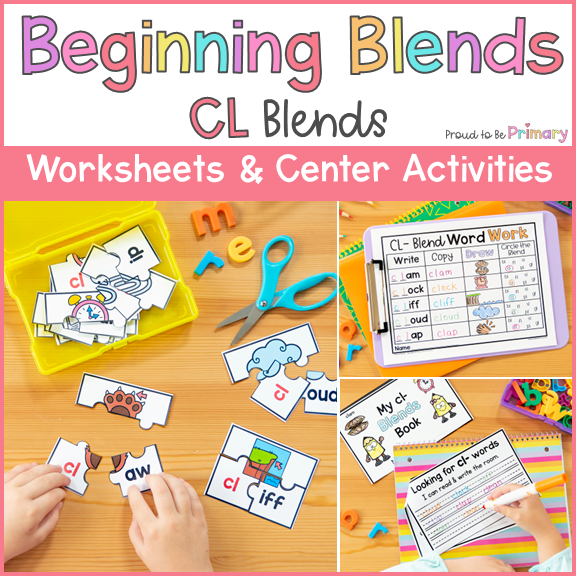
Try a sample of the same phonics activities in this free CL Blends resource. The blends and digraphs resources include the same activities with different word chunks. Use this free sample of activities to build an understanding of this language pattern.
Click the image below to grab a copy.
More Phonics Ideas for Kids


PIN for Later


Leave a Comment