
Help children adapt to classroom routines with these 5 helpful ways to transition in school. Ideas on lineup chants, callbacks, songs, brain breaks, and more!

Easy Classroom Routines
Every teacher wants a classroom that runs smoothly, but that doesn’t happen because students automatically know what to do. Strong classroom routines are one of the biggest factors in reducing behavior issues, saving instructional time, and helping students become more independent throughout the day.
When routines and expectations are clear, students spend less time feeling confused and more time focused on learning. Teachers spend less time repeating directions, managing disruptions, and putting out fires. Instead, the classroom becomes a place where students know what is expected and can move through the day with confidence.
Table of Contents
- Easy Classroom Routines
- Why Classroom Routines Matter
- How to Teach Classroom Routines Successfully
- Classroom Routines vs. Procedures
- Essential Classroom Routines
- Arrival Routine
- Morning Meeting Routine
- Independent Work Routine
- Center Rotation Routine
- Cleanup Routine
- Lining Up Routine
- Classroom Jobs Routine
- Bathroom Routine
- Early Finisher Routine
- Dismissal Routine
- Call Backs and Attention Grabbers Routine
- Songs & Music Routine
- Line Up Chants Routine
- Sounds
- Brain Breaks
- Teacher Tips for Classroom Routines
- Classroom Routines Made Easy
- Try Class Call Backs
- More Class Routine Resources & Ideas
One area where routines matter most is transitions. Moving from one activity to another can quickly become disruptive if students don’t know what to do next. Children may not want to stop what they’re doing, struggle with changes, or become distracted during the process. Without a plan, transitions can eat away valuable instructional minutes and lead to unnecessary behavior issues.
Transitions don’t have to be chaotic. With a little planning and creativity, they can become smooth, engaging, and efficient parts of the school day. These five simple transition strategies help save time, build independence, reduce behavior challenges, and create a calmer classroom environment.
Why Classroom Routines Matter
Strong classroom routines are one of the most effective classroom management tools teachers can use. When students know what to expect and what is expected of them, the entire day runs more smoothly. Here are some of the biggest benefits of establishing clear classroom routines:
- Increase student independence – Students learn how to complete tasks, transition between activities, and solve small problems on their own without constantly relying on the teacher for help.
- Reduce behavior challenges – Many behavior issues happen when students feel confused or unsure about expectations. Consistent routines provide structure and help students make positive choices.
- Create smoother transitions – Clear procedures help students move quickly and efficiently between activities, reducing downtime and disruptions throughout the day.
- Lower teacher stress – Teachers spend less time repeating directions, redirecting behavior, and managing confusion when routines are consistently taught and practiced.
- Increase instructional time – The less time spent managing transitions and classroom disruptions, the more time available for meaningful learning and student engagement.
When routines are taught, practiced, and reinforced regularly, they create a calmer classroom environment where both teachers and students can be successful.
How to Teach Classroom Routines Successfully
One of the biggest classroom management mistakes teachers make is teaching a routine once and expecting students to remember it forever. Just like academic skills, routines need to be taught, practiced, and revisited throughout the year.
- Model the routine – Show students exactly what the routine looks like. Think out loud as you demonstrate each step so students understand your expectations.
- Practice together – Give students multiple opportunities to practice the routine. Whether it’s lining up, transitioning to centers, or unpacking in the morning, practice helps students build confidence.
- Repeat, repeat, repeat – The first few weeks of school are all about repetition. The more students practice a routine, the more automatic it becomes.
- Provide feedback – Celebrate what students are doing well and gently correct mistakes. Specific feedback helps students understand exactly what successful routines look like.
- Revisit after breaks – Long weekends, holiday breaks, and summer vacation often require a routine reset. Spending a few minutes reviewing expectations can save a lot of frustration later.
The time spent teaching routines at the beginning of the year pays off all year long. Strong routines create smoother days, fewer behavior issues, and more time for learning.
Classroom Routines vs. Procedures
Teachers often use the terms routines and procedures interchangeably, but they are slightly different.
A routine is something students do regularly and eventually complete automatically. A procedure is the specific set of steps students follow to complete that routine successfully.
Think of it this way: routines are the “what” and procedures are the “how.”
| Classroom Routine | Classroom Procedure |
|---|---|
| Morning Arrival | Hang up backpack, turn in folder, unpack supplies, start morning work |
| Lining Up | Push in chair, walk to line spot, face forward, keep hands to yourself |
| Centers | Gather materials, move to assigned center, complete task, clean up area |
| Bathroom Break | Raise hand, get pass, sign out, return quietly |
| End of Day Dismissal | Pack belongings, clean workspace, stack chair, wait for dismissal |
Both routines and procedures are essential for a well-managed classroom. When students understand not only what they should do but also how to do it, they become more independent, transitions run more smoothly, and classroom management becomes much easier.
Essential Classroom Routines
Not all classroom routines have the same impact. While every classroom is different, there are certain routines that can significantly reducecan significantly reduce behavior issues, increaseincrease independence, and help the day run smoothly. Taking the time to teach these routines early and revisit them throughout the year can save countless instructional minutes and eliminate many common classroom frustrations. Here are some of the most important classroom routines that every teacher should regularly teach and practice.
Arrival Routine
The arrival routine sets the tone for the entire day. Students should know exactly what to do when they enter the classroom, whether that’s hanging up backpacks, turning in folders, unpacking supplies, and starting morning work. A strong arrival routine helps students transition smoothly into learning and reduces the chaos that can happen first thing in the morning.

Morning Meeting Routine
Morning meetings help build classroom community and create a predictable start to the day. Teach students where to sit, how to participate respectfully, how to listen to classmates, and what to do during greetings, sharing, and activities. Consistent expectations make morning meetings more meaningful and productive.

Independent Work Routine
Students need clear expectations for what independent work should look and sound like. Teach them where to find materials, what to do if they have a question, how to stay on task, and what to do when they finish. Strong independent work routines increase student confidence and allow teachers to work with small groups without constant interruptions.
Center Rotation Routine
Centers can quickly become chaotic without clear procedures. Students should know how to move between centers, gather materials, work with partners, clean up, and transition to the next activity. Practicing center expectations early helps students become more independent and keeps learning time focused and productive.
Cleanup Routine
A cleanup routine helps students take responsibility for their classroom environment. Teach students where materials belong, how to organize supplies, and what cleanup should look like before moving on to the next activity. A few minutes spent teaching cleanup procedures can save a lot of time throughout the year.
Lining Up Routine
Lining up may seem simple, but it can quickly become a source of frustration if expectations are unclear. Teach students how to push in chairs, walk to their line spot, face forward, keep their hands to themselves, and stay quiet while waiting. Consistent practice helps make transitions in and out of the classroom much smoother.
Classroom Jobs Routine
Classroom jobs help students build responsibility, independence, and a sense of ownership in the classroom. By teaching students exactly what their job is and how to do it successfully, they learn to contribute to the classroom community while helping daily routines run more smoothly. Over time, classroom jobs encourage leadership, teamwork, and confidence while reducing some of the small tasks teachers manage each day.

Bathroom Routine
Students should know exactly what steps to follow when they need to use the restroom. Teach procedures for asking permission, using passes, signing out if needed, and returning quietly to learning. A clear bathroom routine reduces interruptions and helps students handle their needs responsibly.
Early Finisher Routine
One of the most common classroom management challenges is answering, “What do I do now?” Teach students what choices they have when they finish work early. This might include reading, writing, educational games, unfinished work, or enrichment activities. Having a plan in place prevents off-task behavior and keeps students engaged.
Dismissal Routine
The dismissal routine is just as important as the arrival routine. Students should know how to pack materials, clean their workspace, organize take-home items, and wait quietly for dismissal. A consistent end-of-day routine helps students leave organized and ensures the day ends on a calm, positive note.
Call Backs and Attention Grabbers Routine
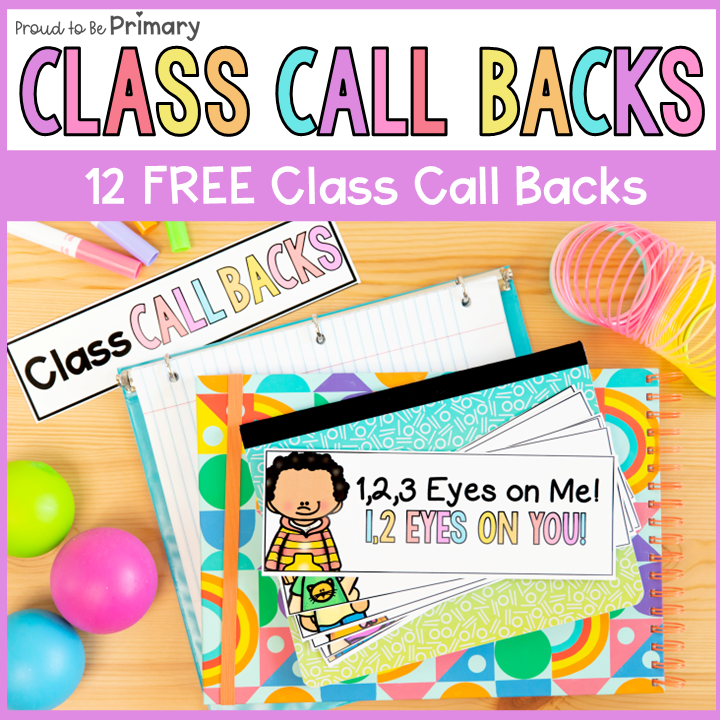
Callbacks are short, fun sayings that help teachers quickly capture students’ attention during transitions and throughout the school day. These attention grabbers use a call-and-response format where the teacher says a phrase and students respond with a matching phrase. Popular examples include “Macaroni and cheese!” followed by “Everybody freeze!” or “One, two, three, eyes on me!” followed by “One, two, eyes on you!” These simple routines are engaging for students and make transitions much smoother.

Songs & Music Routine
Songs are great for helping younger children with transitions. They can be about whatever the need is at that moment. I have used songs in the classroom and in my own home with my children to help them with cleaning up, putting toys away, brushing their teeth, washing their hands, and so much more. Singing songs makes tasks more fun and enjoyable for kids.
Line Up Chants Routine
We all know how children, especially the little ones, touch and talk to others in line, invade personal space, or lose control of their bodies. Line up chants are short songs or sayings to help children line up properly. The chants can have lyrics or words that remind children of what the expectations are. Plus, as you are leaving the room, you can use door tags as another routine to let other teachers and staff know where the class is at certain times.

Sounds
Sounds would have to be my most used and preferred method for transitions. You can create or use a sound that works for whatever you are doing in your classroom. Certain sounds work better for different things. Quiet sounds are great for calming and before transitioning to a lesson or desk work. Louder sounds are helpful to grab the attention of the class when it is noisy or during busy work.
Brain Breaks
A brain break is taking a break from the current, focused task to do a quick activity. A brain break gets kids out of their seats and using their bodies. A quick 5-minute brain break in between activities is great for giving children a mental break from a harder school task. These are a good choice as a transition because they help students get up and move before starting their next activity.

Teacher Tips for Classroom Routines
Setting up strong classroom routines takes time, but the payoff is worth it. These simple tips can help routines stick and make classroom management much easier throughout the year.
- Start with the routines you’ll use most often. Focus first on arrival, transitions, independent work, bathroom procedures, and dismissal. These routines happen every day and have the biggest impact on classroom success.
- Model exactly what you want to see. Don’t assume students know what a successful routine looks like. Show them step-by-step and discuss both expected and unexpected behaviors.
- Practice more than you think you need to. The first few weeks of school should be filled with opportunities to practice routines. If students don’t do it correctly, stop, reteach, and try again.
- Use visuals whenever possible. Visual reminders help students become more independent and reduce the number of verbal reminders teachers need to give throughout the day.
- Provide immediate feedback. Point out what students are doing well and gently correct mistakes. Specific feedback helps students understand exactly what success looks like.
- Revisit routines after breaks. Long weekends, holiday breaks, and vacations often require a quick routine refresher. Spending a few minutes reviewing expectations can prevent many behavior issues.
- Stay consistent. Students thrive when expectations remain predictable. The more consistent you are with routines and procedures, the more smoothly your classroom will run.
- Remember that routines save time. It can feel like you’re spending a lot of time teaching routines at the beginning of the year, but strong routines lead to fewer interruptions, smoother transitions, less teacher stress, and more instructional time all year long.

Classroom Routines Made Easy
Strong classroom routines are one of the best investments a teacher can make at the beginning of the school year. While it may feel like you’re spending a lot of time teaching procedures, practicing transitions, and reviewing expectations, those efforts pay off every single day.
When students know what to do and how to do it, they become more independent, behavior issues decrease, transitions run more smoothly, and teachers gain valuable instructional time. Instead of constantly managing disruptions, you can focus on what matters most: teaching and building relationships with your students.
Remember, classroom routines aren’t something you teach once and forget. They should be modeled, practiced, reinforced, and revisited throughout the year. The stronger your routines, the calmer and more successful your classroom will be.
Try Class Call Backs
Grab 12 FREE attention getters and see how quickly your students tune into what you are saying while using them. Print and use as a simple, yet effective classroom management strategy!
Click the image below to get your set!
Classroom Transition Pack
If transitions feel chaotic, you’re constantly repeating directions, or students struggle to move smoothly from one activity to the next, it may be time for a more structured approach. The Classroom Transitions Resource by Proud to Be Primary provides the tools teachers need to create clear, consistent routines that save tilineupreduce classroom disruptions.
With line-up chants, call backs, classroom posters, transition headers, and door hangers, this resource helps students know exactly what to do during common transitions. Instead of spending valuable instructional time managing noise and confusion, you’ll have simple systems in place that build independence, improve behavior, and help your classroom run more smoothly every day.

More Class Routine Resources & Ideas


PIN for Later


You have so many great ideas! I’m glad you get to stay home with your children. You can never get these years back! 🙂